A destination in Italy where every step reveals a breathtaking, picture-perfect landscape—that is the Dolomites. Nestled in northern Italy, the Dolomites are renowned not only for their dramatic alpine scenery but also as a paradise for hiking enthusiasts, winter sports lovers, and anyone seeking tranquility amidst unspoiled nature. In this guide, Chibikiu shares essential travel tips and practical insights to help you plan the perfect trip to the Dolomites and make the most of your journey.
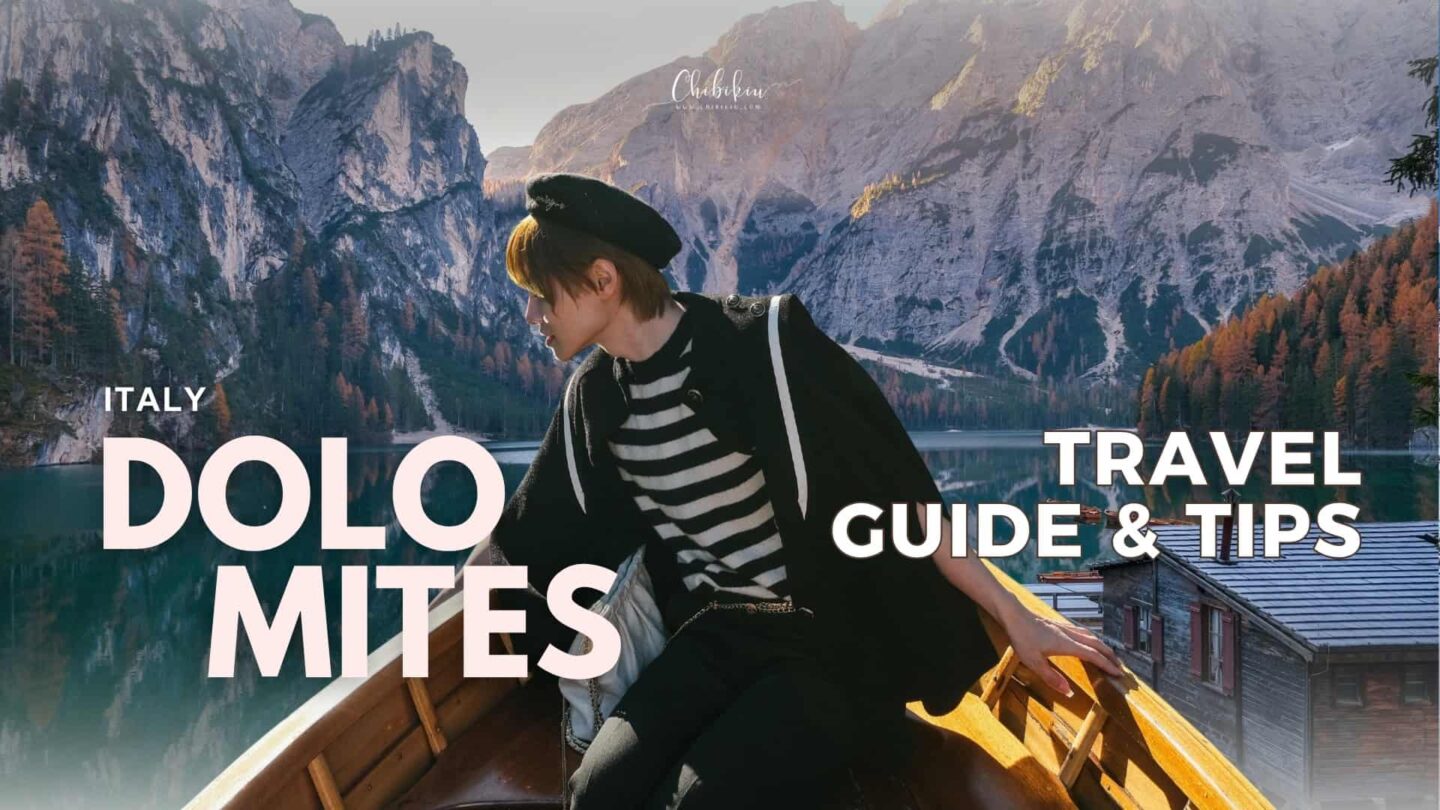
Table of Contents
1. A First Look at the Dolomites
Before sharing my travel tips for the Dolomites, let me first give you a brief introduction to this remarkable destination. When visiting Italy, most travelers naturally think of iconic cities such as Rome, Venice, or Florence.
However, these famous destinations are only the tip of the iceberg. Beyond its celebrated cities, Italy is home to countless breathtaking landscapes, and the Dolomites are undoubtedly among the country’s most extraordinary treasures.
Located in northern Italy, the Dolomites are part of the Alps, stretching across the regions of Trentino-Alto Adige, Veneto, and Friuli Venezia Giulia. Characterized by dramatic limestone peaks, picturesque valleys, crystal-clear alpine lakes, and diverse ecosystems, the Dolomites were designated a UNESCO World Heritage Site for their exceptional natural beauty.
Beyond their spectacular scenery, the Dolomites captivate visitors with a rich cultural heritage influenced by Italian, Austrian, and Swiss traditions. The region also offers year-round outdoor adventures, from hiking, climbing, and cycling in the summer to world-class skiing and snowboarding in the winter, making it one of Italy’s most sought-after travel destinations.
Interesting Facts About the Dolomites
|
2. Getting Around the Dolomites
2.1. Getting to the Dolomites
If you’re traveling from another country or from a distant region in Italy, the two most convenient gateways to the Dolomites are Verona Airport and Venice Marco Polo Airport. From there, you can continue your journey by train or bus. From Verona, take a train to Brixen (Bressanone) or Bolzano. From Venice, you can take a direct bus to Cortina d’Ampezzo.
Between the two, I personally recommend flying into Verona. While Venice is undoubtedly one of Italy’s most iconic destinations, its transportation network can be busier and a bit more complicated to navigate than Verona’s.
|
Travel Tips for Getting Around Italy
|
2.2. Getting Around the Dolomites
The Dolomites cover a vast area with numerous towns, valleys, and mountain ranges, so transportation is one of the most important factors to consider when planning your itinerary.
Public buses connect most of the major destinations and are very convenient during the peak season (May to September). However, during the shoulder season (October and November), some routes operate less frequently or are suspended altogether, making it more difficult to travel on a flexible schedule.
For this reason, renting a car is the most popular way to explore the Dolomites. It gives you complete freedom to travel at your own pace while enjoying some of the most scenic drives in Europe. That said, driving here can be challenging, especially for those with limited mountain driving experience, as the roads are narrow, winding, and often steep.
If you don’t feel comfortable driving, hiring a private driver is an excellent alternative. It allows you to enjoy the journey without the stress of navigating mountain roads while still maintaining the flexibility of a customized itinerary.
This was the option we chose for our trip. We actually found our driver by chance after asking the owner of our homestay, who kindly recommended someone she trusted.
The cost of hiring a private driver depends on your itinerary and the destinations you plan to visit, typically ranging from €180 to €250 per day. If you’re traveling as a group of four, the cost comes to around €50 per person per day, including door-to-door pick-up and drop-off. Considering the convenience, flexibility, and excellent service, we found it to be well worth the price.
3. Where to Stay in the Dolomites
One thing I have to emphasize again is that the Dolomites are a vast region, made up of numerous towns and valleys. Choosing where to stay can be surprisingly challenging, as you’ll need to consider not only the accommodation itself but also how convenient the location is for visiting the attractions on your itinerary. This was probably one of the most difficult parts of planning my trip.
Before deciding, I researched recommendations from several international travel bloggers. The areas most commonly suggested for visitors include Brixen (Bressanone), Cortina d’Ampezzo, Bolzano, and Ortisei, all of which offer good transport connections and make excellent bases for exploring the Dolomites.
After weighing all the options, I decided to stay in Brixen for three main reasons.
- First, I flew into Verona, and there is a direct train from Verona to Brixen. From Brixen, it was also very convenient to reach the places I wanted to visit, including Seceda, Alpe di Siusi, and Val di Funes.
- Second, accommodation in Brixen is reasonably priced compared to some of the more touristy towns. The town also has everything you need for a comfortable stay, from supermarkets and cafés to local restaurants. As a bonus, there are several Chinese restaurants—perfect for a change of pace after a few days of pizza and pasta!
- Finally, and perhaps most importantly, the private driver we hired throughout our Dolomites trip was based in Brixen, making it much easier to arrange transportation each day.
Accommodation Booking TipsYou can book accommodation in the Dolomites through platforms such as Booking.com, Agoda, or Airbnb. Since prices and cancellation policies often vary across different booking platforms—even for the same property—it’s worth comparing your options before making a reservation to find the best deal and the most suitable booking conditions. |
4. When Is the Best Time to Visit the Dolomites?
The most popular time to visit the Dolomites is during summer (June to August). With pleasant temperatures, lush green meadows, and vibrant alpine landscapes, this is when the region is at its most picturesque. It’s also the perfect season for hiking, cycling, and enjoying the spectacular mountain scenery.
Another favorite time to visit is winter, when the Dolomites transform into a snow-covered wonderland. This is the ideal season for skiing, snowboarding, and other winter sports, attracting visitors from around the world.
Many travel bloggers advise against visiting the Dolomites in autumn. The weather during this season can be unpredictable, with frequent rain and changing conditions that may affect outdoor activities.
Despite the warnings, I completely fell in love with the breathtaking autumn photos of the Dolomites and decided to include it in my fall Europe itinerary. It definitely felt like a bit of a gamble.
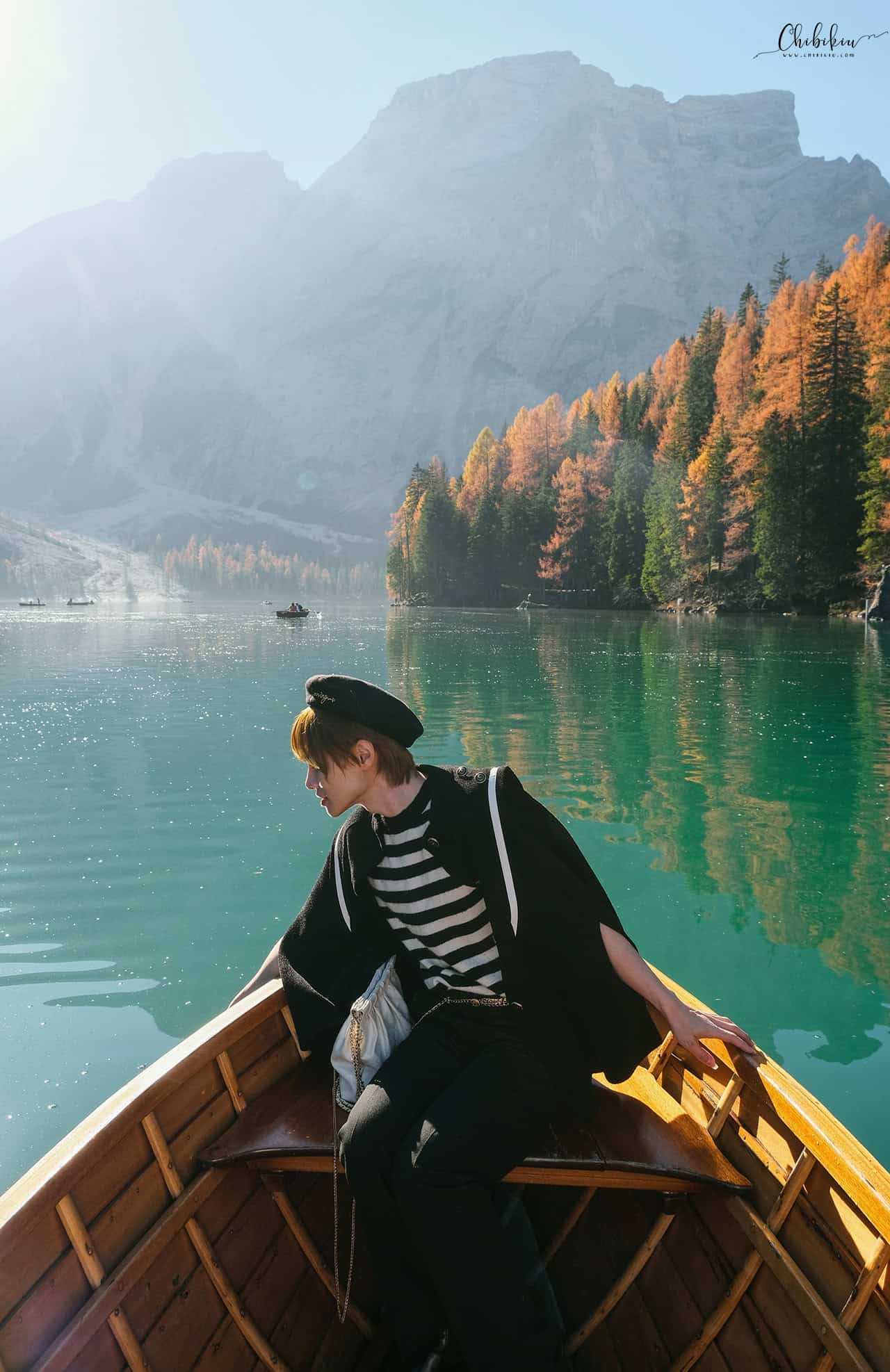
As it turned out, luck was on our side. During all four days of our trip, we enjoyed clear blue skies and beautiful sunshine. Even our local driver, who accompanied us throughout our stay, told us how incredibly fortunate we were. According to him, it’s quite rare to have such perfect weather in the last week of October.
5. Places to Visit in the Dolomites
The Dolomites are home to some of Italy’s most breathtaking natural attractions, including Lago di Braies, Lago di Sorapis, Val di Funes, Alpe di Siusi, and the iconic Tre Cime di Lavaredo. Each destination offers its own unique scenery and unforgettable experiences.
Here’s a closer look at some of the highlights.
5.1. Tre Cime di Lavaredo
Tre Cime di Lavaredo, also known as the Three Peaks of Lavaredo, is one of the most iconic landmarks in the Dolomites. These dramatic limestone peaks have become a symbol of the region, attracting hikers, photographers, and mountaineers from around the world.
The area offers a variety of hiking trails, ranging from easy scenic walks to more demanding alpine routes. We decided to challenge ourselves with the Cadini di Misurina trail—one of the more difficult hikes in the area. It certainly wasn’t the easiest choice, but every step was rewarded by one of the most spectacular mountain panoramas we’ve ever seen.
5.2. Lago di Braies
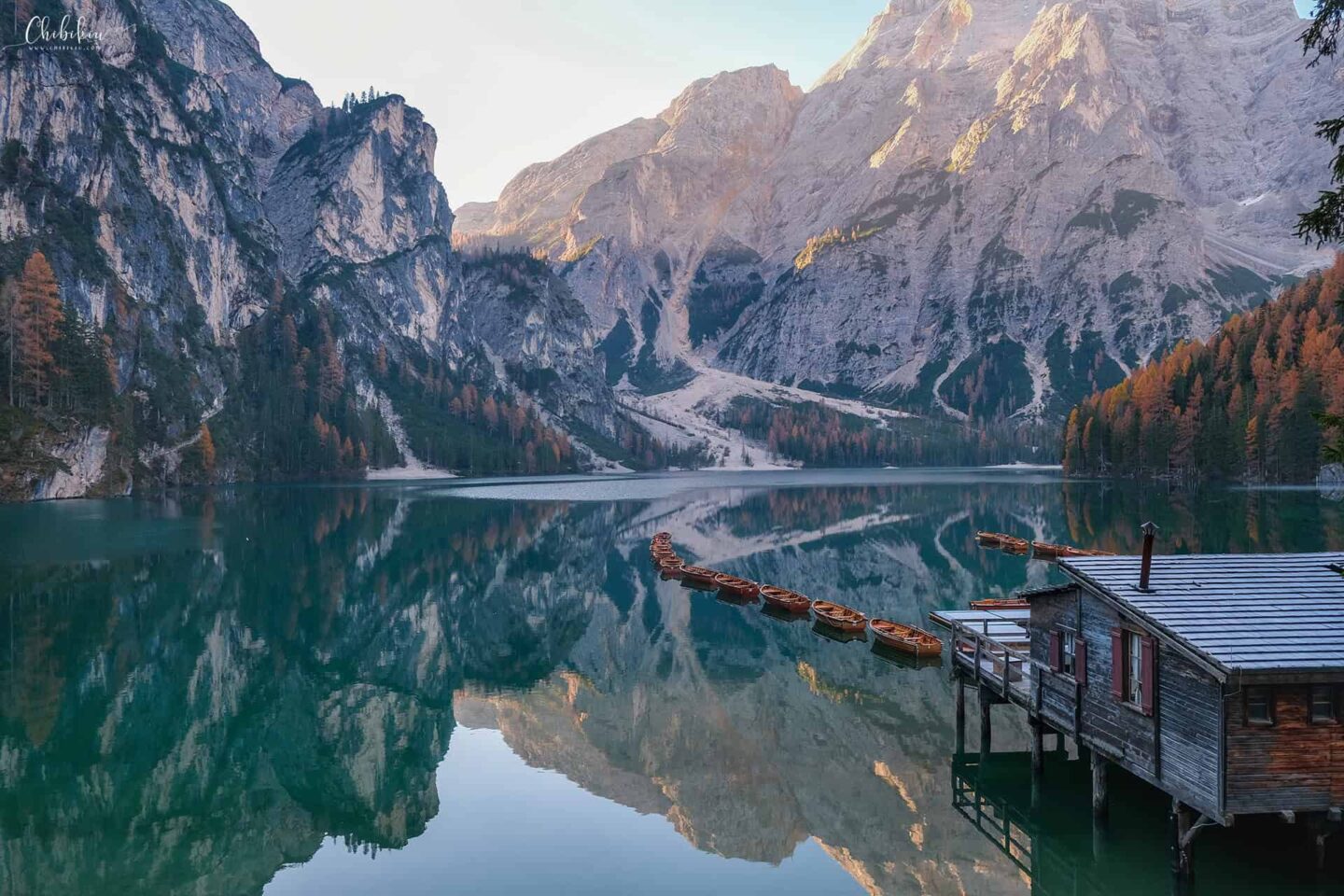
Often referred to as the “Jewel of the Dolomites,” Lago di Braies is famous for its crystal-clear emerald waters, perfectly reflecting the surrounding mountain peaks. Its surreal beauty makes it feel almost too picturesque to be real.
The best way to experience the lake is to arrive early in the morning, stroll along the lakeside trail, and take a ride in one of its iconic traditional wooden rowboats.
5.3. Seceda
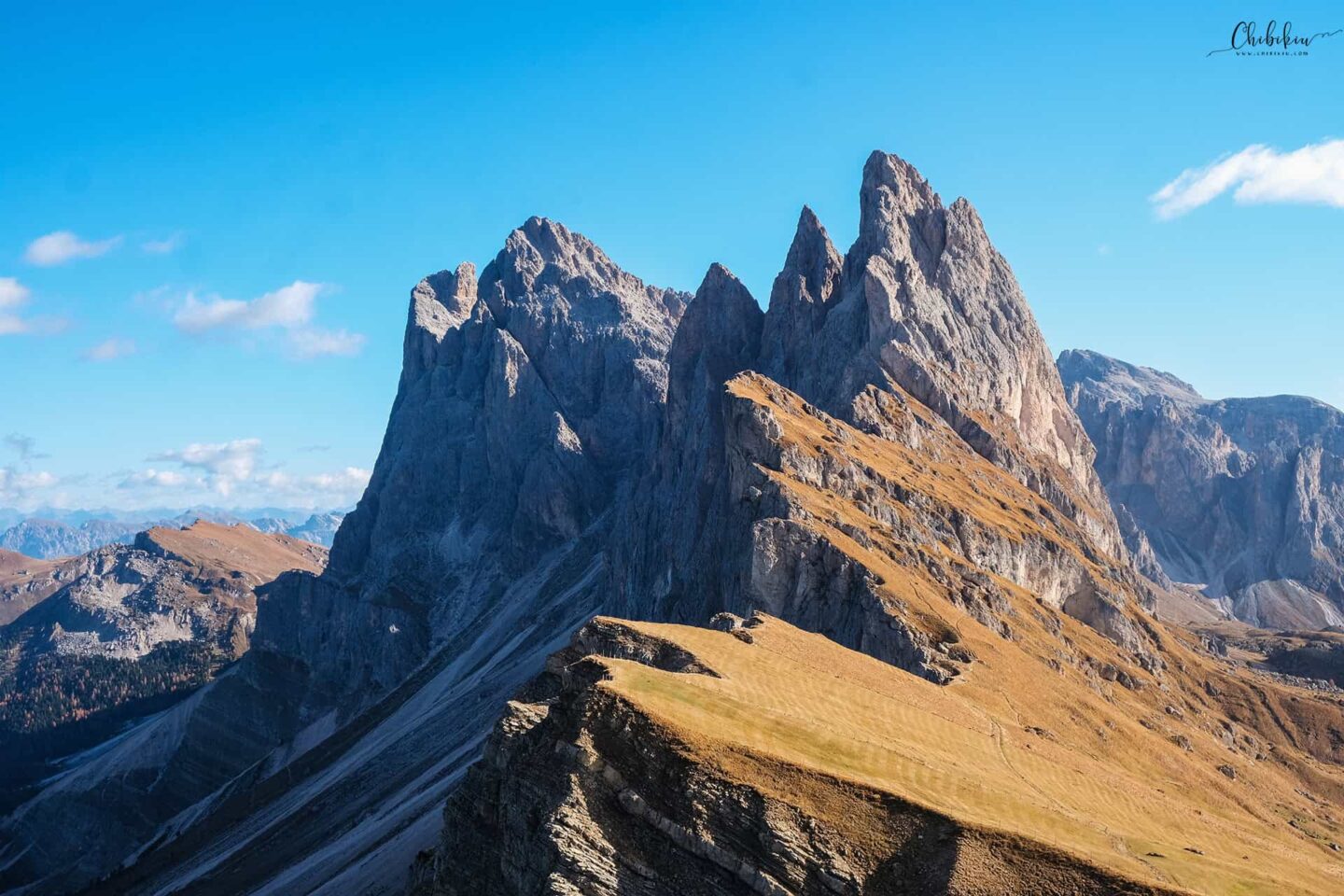
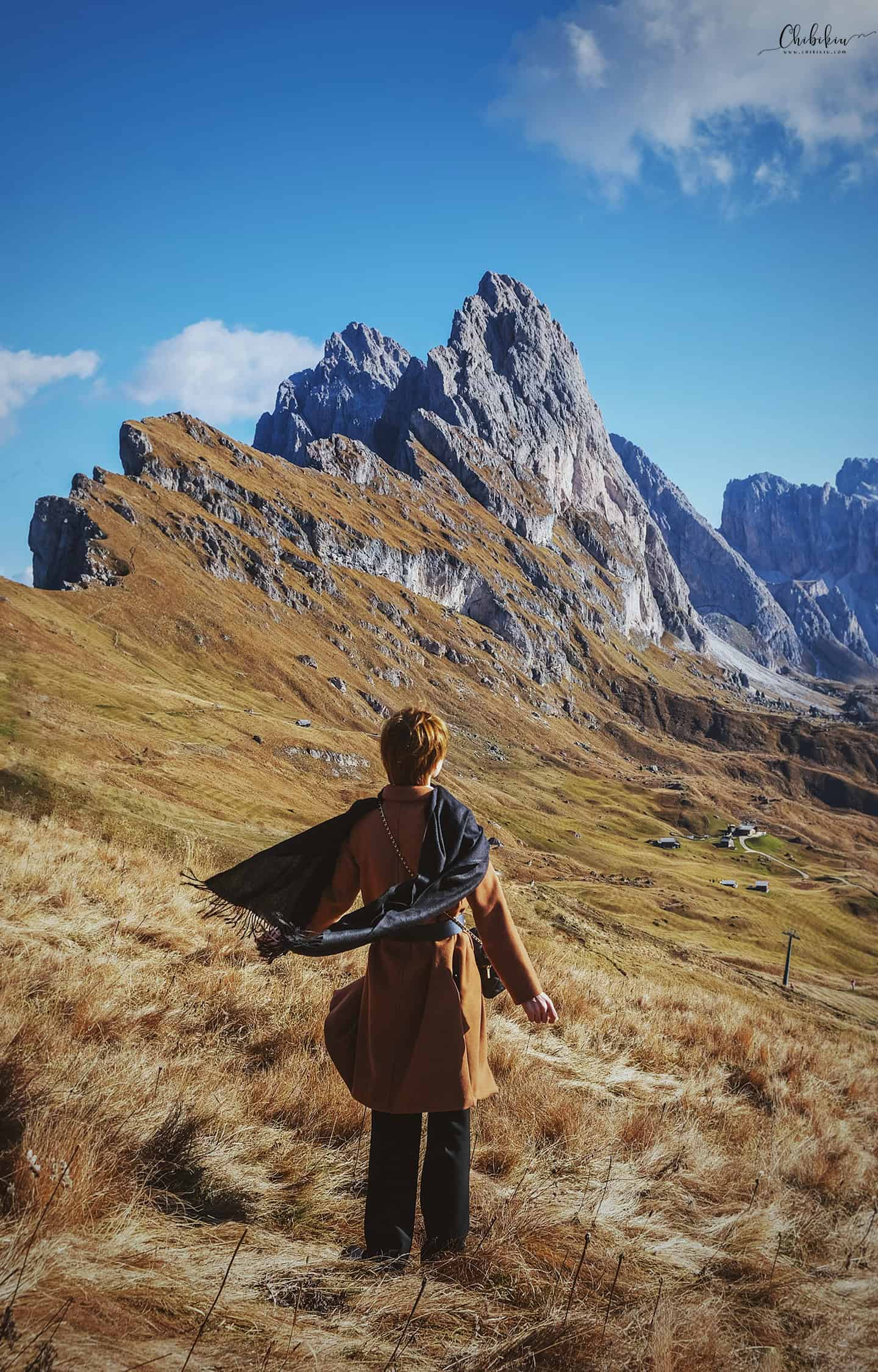
Seceda is one of the most recognizable viewpoints in the Dolomites, renowned for its dramatic jagged ridgeline and towering cliffs. Sitting at over 2,500 meters (8,200 feet) above sea level, it offers sweeping panoramic views over Val Gardena and the surrounding mountain ranges.
With its breathtaking scenery, Seceda is a paradise for nature lovers, photographers, hikers, and outdoor enthusiasts alike.
5.4. Val di Funes
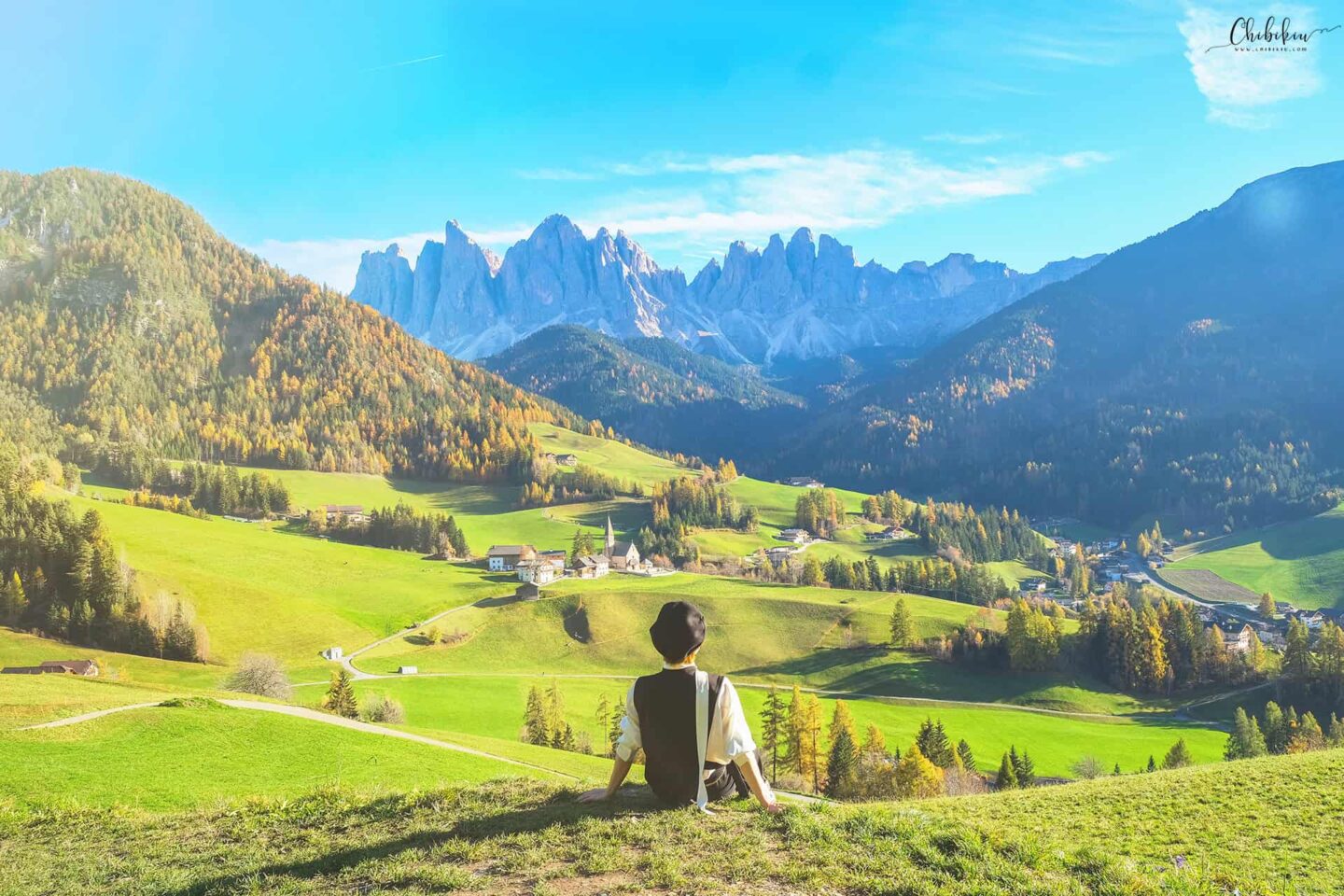
Nestled in the heart of the Dolomites in South Tyrol, Val di Funes is one of the most picturesque valleys in northern Italy.
Surrounded by majestic mountain peaks, peaceful villages, and rolling green meadows, the valley feels like a scene straight out of a postcard. It’s the perfect destination for anyone looking to escape into nature, enjoy scenic hikes, and experience the tranquility of the Alps.
5.5. Alpe di Siusi
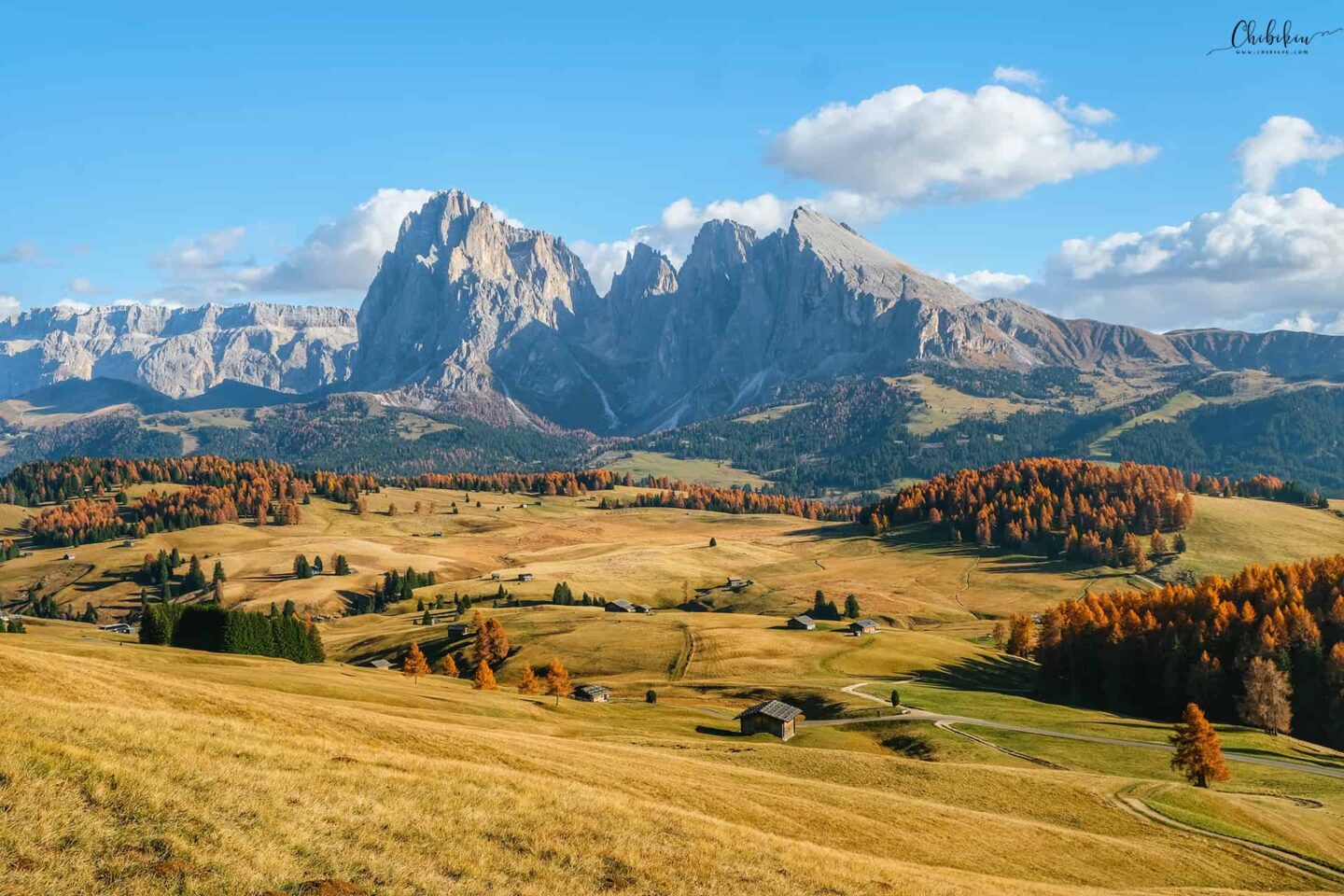
Also known by its German name Seiser Alm, Alpe di Siusi is the largest high-altitude alpine meadow in Europe.
Its vast rolling grasslands, framed by the dramatic limestone peaks of the Dolomites, create one of the region’s most unforgettable landscapes. Whether you’re hiking, cycling, or simply taking in the views, Alpe di Siusi offers a peaceful retreat surrounded by pristine mountain scenery.
5.6. Lago di Sorapis
Hidden high in the Dolomites, Lago di Sorapis is one of the region’s most spectacular alpine lakes.
Situated at an elevation of approximately 1,900 meters (6,230 feet), the lake is famous for its striking turquoise waters, whose unique color comes from glacial sediments suspended in the water.
Reaching the lake requires a moderately challenging hike, but the extraordinary scenery at the end of the trail makes every step worthwhile.
5.7. Lago di Carezza
Lago di Carezza is a small but incredibly beautiful alpine lake located at the foot of the Dolomites in South Tyrol.
Known for its crystal-clear emerald waters, the lake perfectly reflects the majestic Latemar mountain range and the surrounding pine forest. On sunny days, the water shimmers with iridescent colors, earning it the nickname “Rainbow Lake.”
Its peaceful setting makes it a favorite destination for photographers and anyone seeking a quiet escape in nature.
5.8. San Giovanni (Church of St. John)
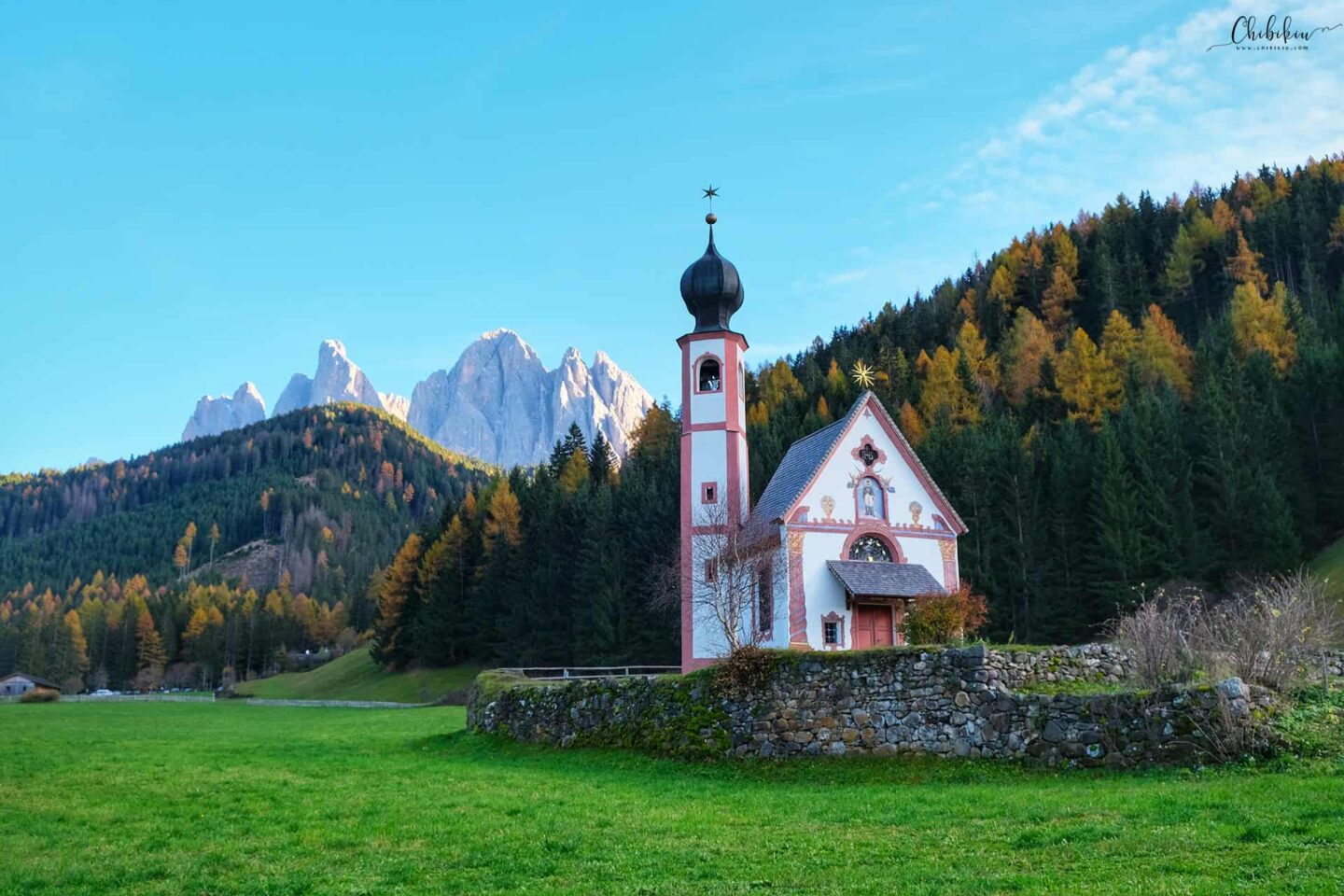
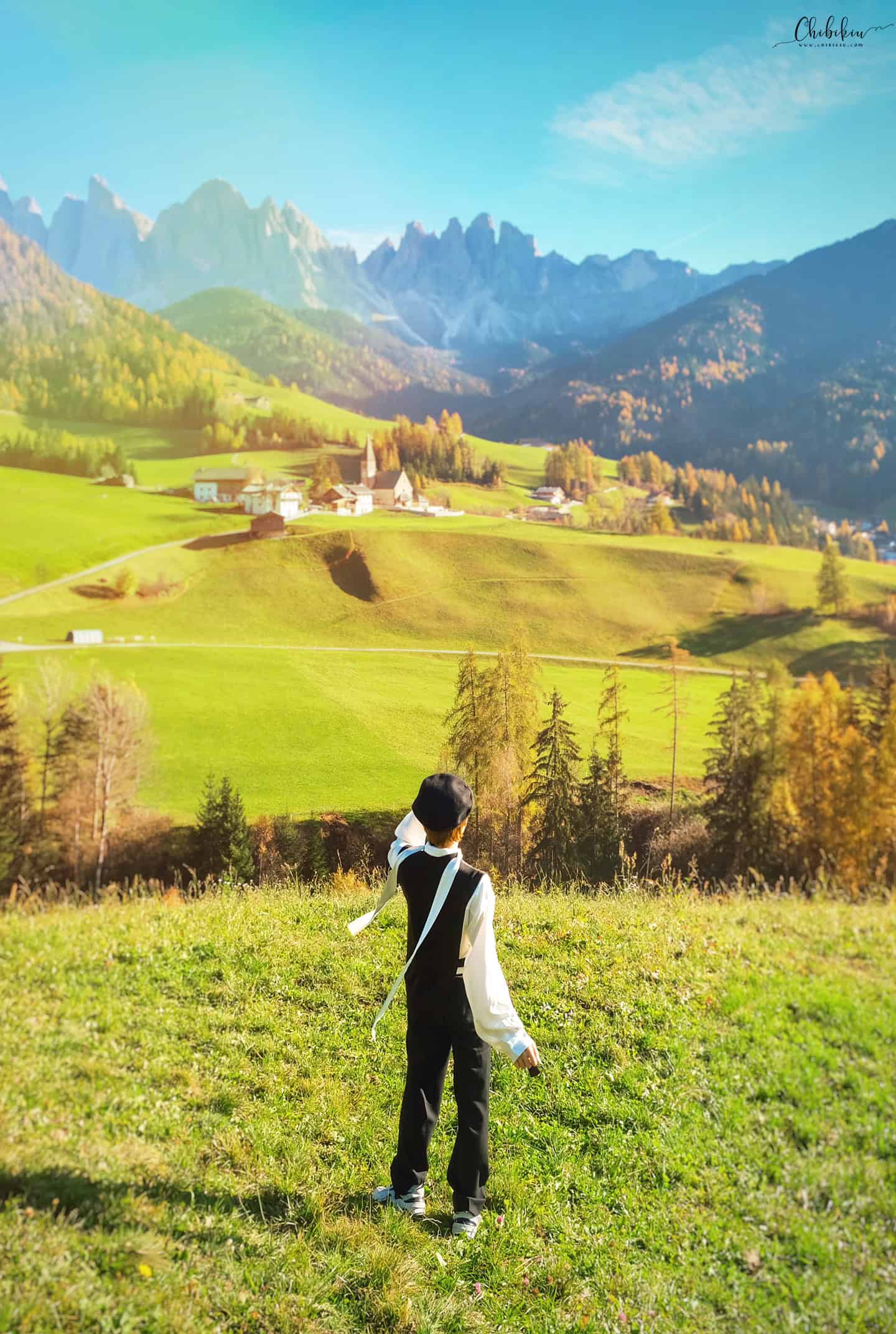
Nestled in the idyllic Val di Funes valley, the Church of St. John (San Giovanni) is one of the most photographed churches in the Dolomites.
This charming Baroque chapel sits gracefully in the middle of open meadows, backed by the dramatic peaks of the Odle Mountains. Its timeless beauty and serene surroundings make it an unforgettable stop for photographers and travelers looking to experience the quiet charm of the Italian Alps.
6. Dolomites Travel Itinerary
6.1. How to Plan Your Dolomites Itinerary
Because the Dolomites cover such a vast area, with attractions spread across different valleys and mountain ranges, you’ll spend a significant amount of time traveling between destinations. For that reason, I recommend allowing at least 4 days and 3 nights to explore the region.
Of course, you can adjust your itinerary to fit your schedule, but in my opinion, anything less than four days feels rather rushed and doesn’t do the Dolomites justice.
If it’s your first visit, I highly recommend including these must-see highlights:
- Alpe di Siusi (Seiser Alm)
- Lago di Braies
- Tre Cime di Lavaredo
- Val di Funes
The real challenge isn’t deciding what to see—it’s planning the most efficient route. The Dolomites are a mountainous region with winding roads, so travel times between attractions can be much longer than they appear on a map.
Before my trip, I read numerous itineraries from other travelers. Most suggested that visiting all of the places on my wish list would require six days. Unfortunately, we didn’t have that much time, so we decided to take a chance.
To our surprise, we managed to visit every destination in just three full sightseeing days. We were incredibly lucky with the weather, enjoying clear skies throughout our trip, which allowed us to make the most of every day.
6.2. Suggested Dolomites Itinerary
This itinerary is based on my trip in late October.
Day 1 – Travel to the Dolomites
Fly into Verona, then take a direct train to Brixen (Bressanone).
Day 2 – Seceda & Alpe di Siusi
Day 3 – Lago di Braies & Tre Cime di Lavaredo (Cadini di Misurina Trail)
Day 4 – Lago di Carezza, Val di Funes, then travel to Munich in the evening.
6.3. Dolomites Travel Map
To make planning your trip easier, I’ve also created a Dolomites travel map. It highlights the major attractions featured in this guide, along with a few useful locations and tips to help you navigate the region more efficiently.
7. Dolomites Travel Expense
To be honest, my experience in the Dolomites felt every bit as spectacular as Switzerland. The biggest difference?
Although both trips lasted 4 days and 3 nights, my Dolomites trip cost only about half as much as my trip to Switzerland.
Overall, I found the Dolomites to be surprisingly affordable. None of the expenses felt excessively expensive, and unlike Switzerland—where almost everything comes with a hefty price tag—the costs here were much more reasonable. Accommodation, in particular, offered excellent value for money.
Another reason my trip was so budget-friendly was that I visited in autumn, which is considered the low season in the Dolomites. Traveling during this time helped keep accommodation and travel costs to a minimum.
Below is a breakdown of my travel expenses for reference.
| TRANSPORT | ||
| Car Hire & Driver 3 days | 145€ | * The price will depend on places |
| ACCOMMODATION 3 nights | 90€ | |
| SIGHTSEEING | ||
| Seceda Cable Car | 30€ | * Round-trip |
| Alpe di Siusi Cable Car | 35€ | * Round-trip |
| Lago di Braies Row Boat | 12,5€ | * Divide for 4 pax |
| EATING 4 days | 140€ | |
| TOTAL | 452,5€ |
8. Final Thoughts: Dolomites Travel Guide & Tips
8.1. Italy Travel Tips
– Purchase travel insurance for extra peace of mind during your European adventure. A 10-day travel insurance policy costs just over 500,000 VND, but it can provide valuable financial protection and assistance if something unexpected happens.
– Use an eSIM for your Europe trip. I used one throughout my journey, and it was reliable, convenient, and much easier to manage than a physical SIM card.
– Pack a good pair of hiking shoes. You’ll be doing plenty of walking and hiking while exploring the Dolomites, so comfortable footwear is essential.
– Plan your meals according to your itinerary. Since the Dolomites cover a large mountainous area, while most restaurants and cafés are located in towns and villages, it’s best to eat wherever you are rather than driving back and forth between different areas. It will save you both time and unnecessary travel.
8.2. Final Thoughts
The Dolomites are truly one of Italy’s greatest natural treasures—an alpine paradise hidden among a country already famous for its incredible landscapes and cultural landmarks. It’s the kind of destination where every turn reveals another breathtaking view, and every trail leads to a new adventure.
I hope this Dolomites travel guide helps you plan your own unforgettable journey. With a little preparation, you’ll be ready to experience one of the most beautiful mountain regions in the world.
If you’re planning a longer trip around Italy, be sure to check out the other guides in Chibikiu’s Italy travel series:
If you found this article helpful, you can support me in keeping the blog going by clicking the link below:
|
– MUST-USE WEBSITE TO PLAN YOUR NEXT TRIP –
|
