Tokyo, the vibrant capital of Japan, never fails to impress travelers with its remarkable blend of modern energy and timeless tradition. From centuries-old temples and shrines, charming neighborhoods rich in Japanese culture, to soaring skyscrapers, bustling shopping districts, and some of the world’s most advanced technology, Tokyo offers an experience unlike any other. If you’re planning a trip to this dynamic metropolis, this Tokyo Travel Guide will provide practical tips on transportation, dining, sightseeing, and essential travel advice to help you make the most of your journey.
Table of Contents
1. Best time to travel to Tokyo
The most popular time to visit Japan is during the cherry blossom season, which typically falls between mid-March and early April. This is also when visitors from around the world flock to Japan, especially Tokyo, causing prices for almost everything to surge—some services and accommodations can even cost twice as much as usual.
If you’re planning to visit Tokyo during this period, it’s important to plan carefully. Don’t assume that traveling during the forecasted blooming dates will guarantee you a chance to see the cherry blossoms. In my experience after following the forecasts for nearly five years, cherry blossom predictions are never completely accurate. They should be viewed as estimates rather than exact dates, as blooming times ultimately depend on weather conditions.
It’s also advisable to avoid visiting Tokyo—or Japan in general—during the peak of summer or winter. Summer temperatures can reach 35°C (95°F) or higher, often accompanied by high humidity and frequent rainfall, while winter can be uncomfortably cold, especially for those who are not accustomed to low temperatures.
2. How to Navigate around Tokyo
Tokyo boasts one of the world’s most modern and efficient public transportation systems. You can easily reach virtually every corner of the city by train or other forms of public transport.
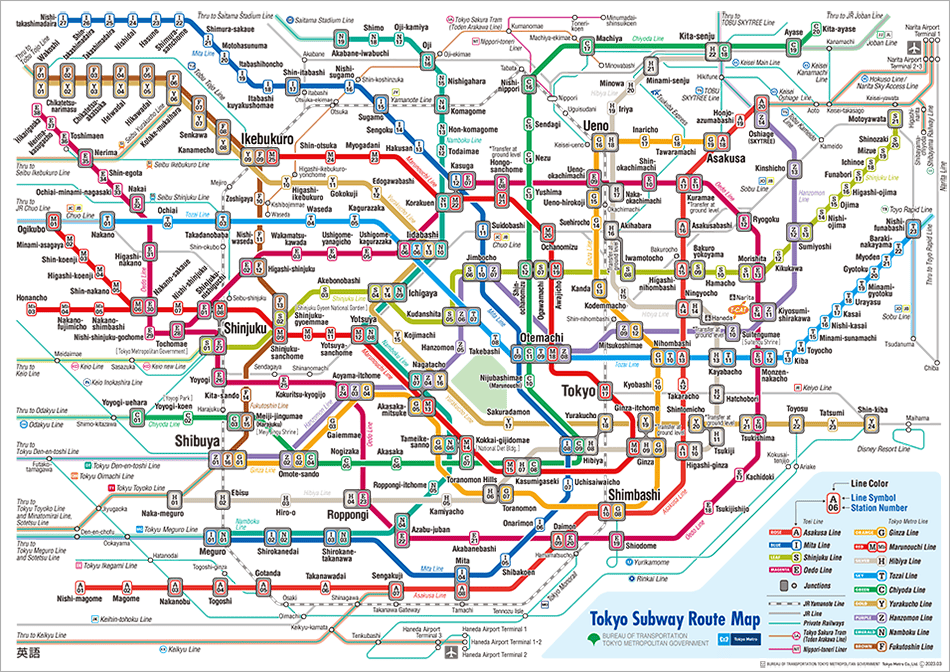
That convenience, however, comes with a certain level of complexity. For first-time visitors, Tokyo’s metro map can be overwhelming, with its dense network of train and subway lines. I still remember being completely stunned the first time I looked at it. But no matter how intimidating it seems, chances are you’ll end up using it throughout your trip.
To navigate the system more easily, it’s helpful to remember the starting station and, more importantly, the terminal station of the line you’re taking. Most station signs and platform displays indicate directions by the name of the line’s final destination rather than every stop along the route.
If you’re not comfortable using public transportation, taxis are always an option. However, taxi fares in Tokyo are notoriously expensive, and many drivers have limited English proficiency. For that reason, I rarely consider taking a taxi and instead rely almost entirely on public transportation.
Tips for Getting Around Tokyo
- Use Google Maps for navigation. I relied on Google Maps throughout my trip, and it proved to be highly accurate for finding routes, train schedules, and platform information.
- Get an ICOCA card and top it up with credit. The card can be used on most public transportation systems across Japan, making it a convenient and cashless way to travel.
- Be mindful of Japanese etiquette on public transportation. Keep your voice down, respect other passengers’ personal space, and offer your seat to those who need it, such as the elderly, pregnant women, or passengers with disabilities.
- Avoid traveling during rush hour whenever possible. Trains become incredibly crowded during peak commuting times, with almost every carriage packed to capacity. You may have seen videos of station staff gently pushing passengers into train cars to help the doors close—that should give you an idea of just how busy Tokyo’s rail network can be.
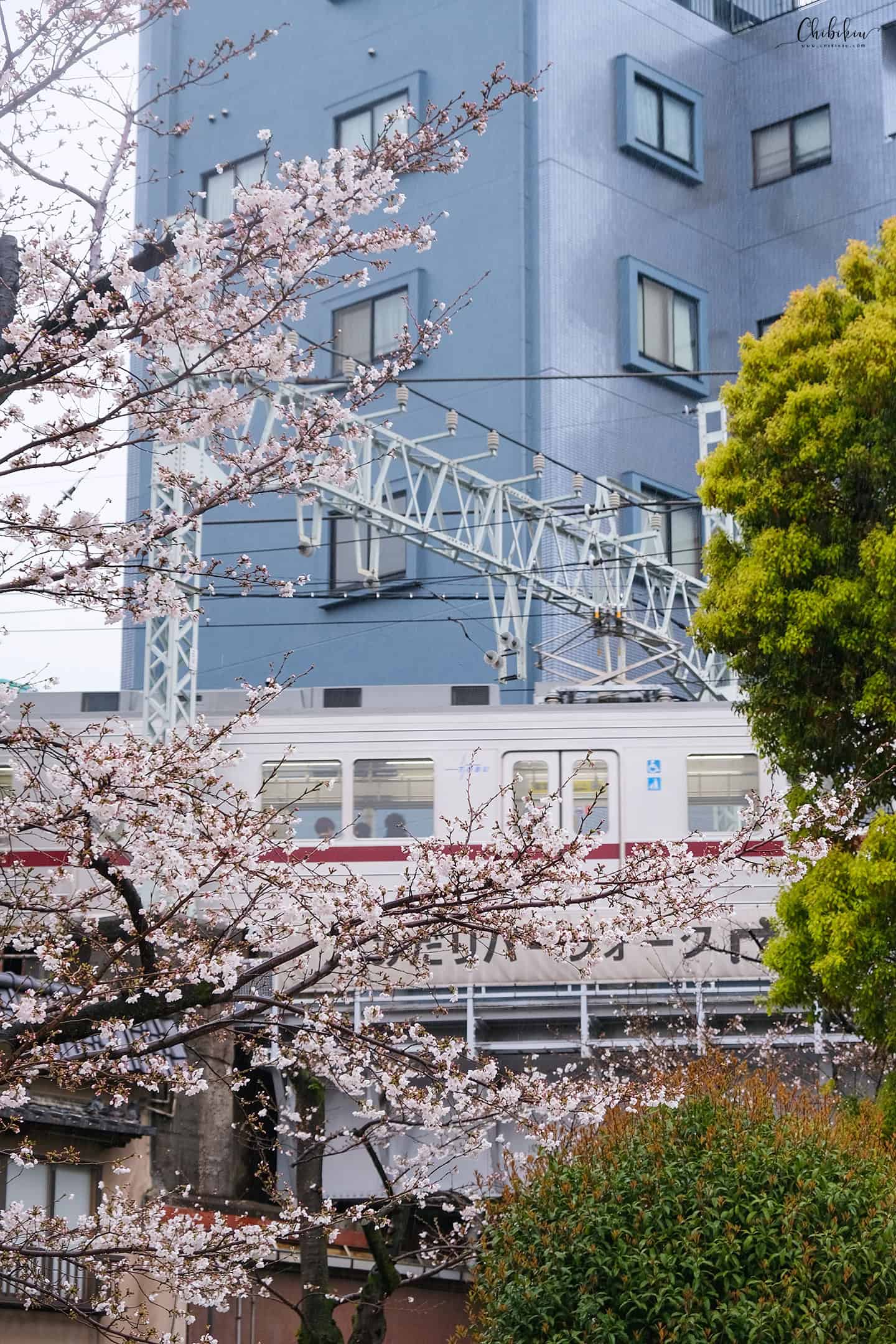
3. Tokyo’s Accommodation Guide
3.1. Where to stay in Tokyo
With an estimated population of around 37 million people across the greater metropolitan area, Tokyo is by far the world’s largest metropolitan region. As the nation’s political, economic, and cultural hub, it attracts not only people from across Japan but also millions of international visitors each year, making the city feel incredibly busy.
One thing to keep in mind is that accommodation in Tokyo can be very expensive. Finding a place to stay that offers both a convenient location and reasonable rates can be challenging and often requires plenty of research.
Some of the most recommended areas to stay in Tokyo include Shibuya, Shinjuku, Asakusa, and Roppongi. Each offers excellent access to public transportation while providing a unique glimpse into Tokyo’s vibrant urban lifestyle and Japanese culture.
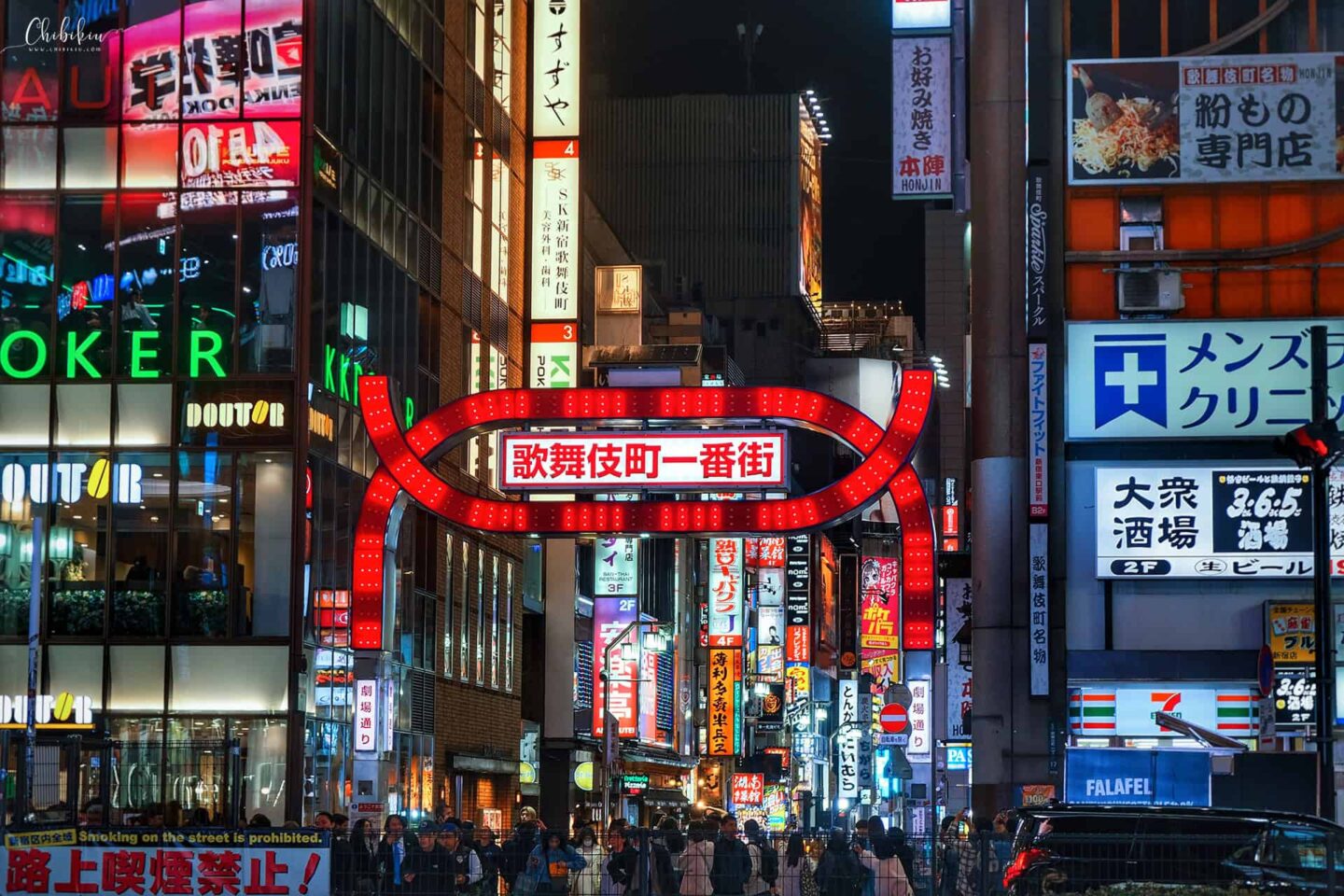
For my trip, I chose to stay in Shinjuku because I wanted to experience Tokyo’s dynamic, modern atmosphere. While the area certainly delivers on that front, it wasn’t exactly what I had imagined. Parts of Shinjuku are filled with nightclubs, bars, and late-night entertainment venues, making the neighborhood lively but also rather chaotic. As a result, it felt a little less peaceful than I had expected and slightly different from the image of Japan I had in mind.
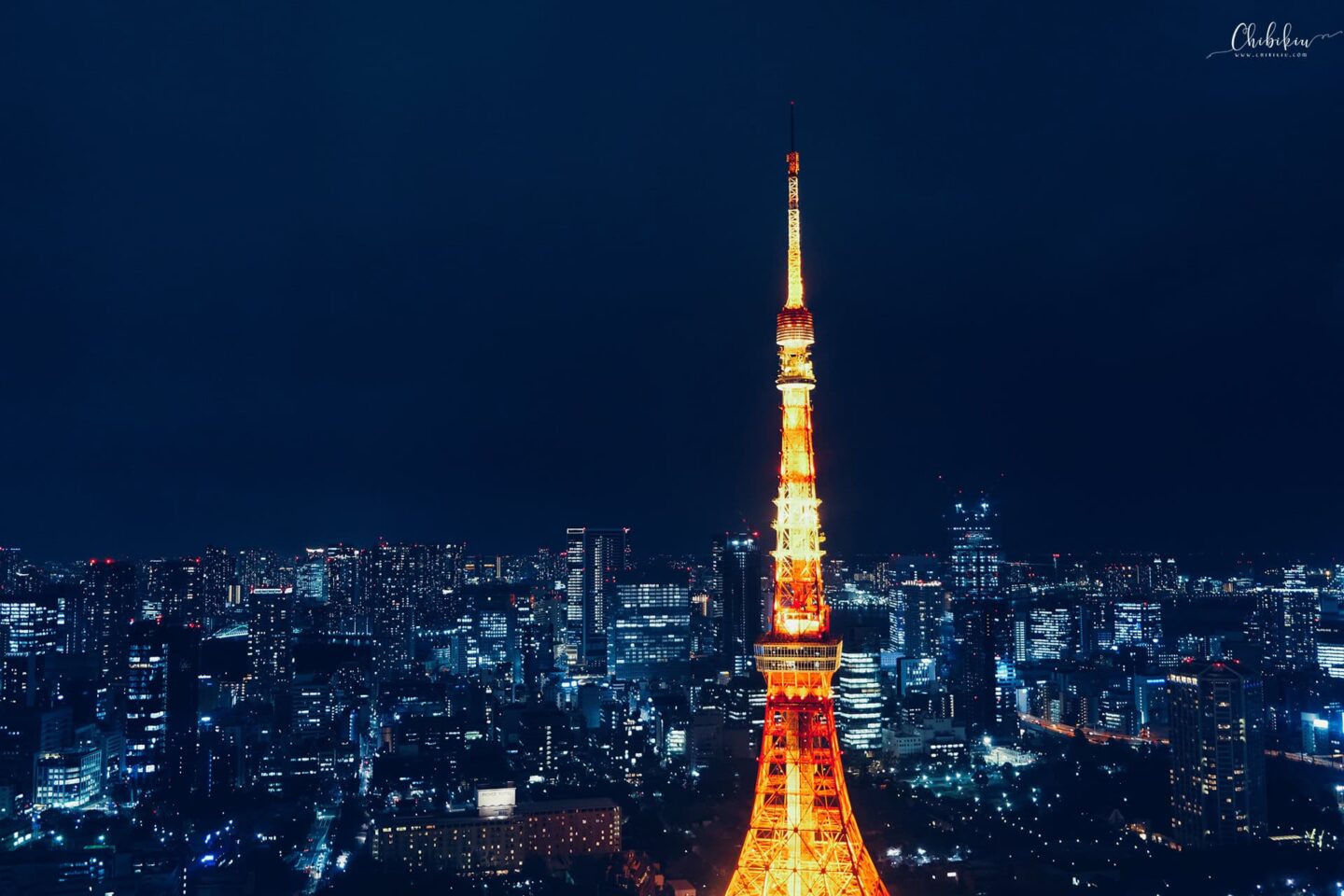
3.2. Booking Tips in Tokyo
Here are some of my tips to searching and choosing your suitable accommodation when traveling to Tokyo:
- Use platforms such as Booking.com, Agoda, or Airbnb to compare prices and find the best accommodation options for your budget and preferred location.
- Book your accommodation in advance during peak travel seasons. A good strategy is to reserve rooms with free cancellation, allowing you to secure a reasonable rate while keeping your plans flexible if you later find a better option.
- Follow Japan’s waste disposal and recycling rules, even while traveling. Japan has strict regulations on sorting and disposing of trash, and improper disposal can result in additional charges or penalties.
I experienced this firsthand during one of my trips. A member of our group had to replace a broken suitcase on the last day of the trip, leaving no time to dispose of the old one properly. We asked the apartment staff if they could handle it for us, but they explained that a suitcase is considered oversized waste, which requires special collection and disposal. In the end, we had to pay nearly VND 1 million for the disposal service. While this wasn’t an official fine, it was an unexpected expense that could have been avoided with better planning.
4. Best places to travel in Tokyo
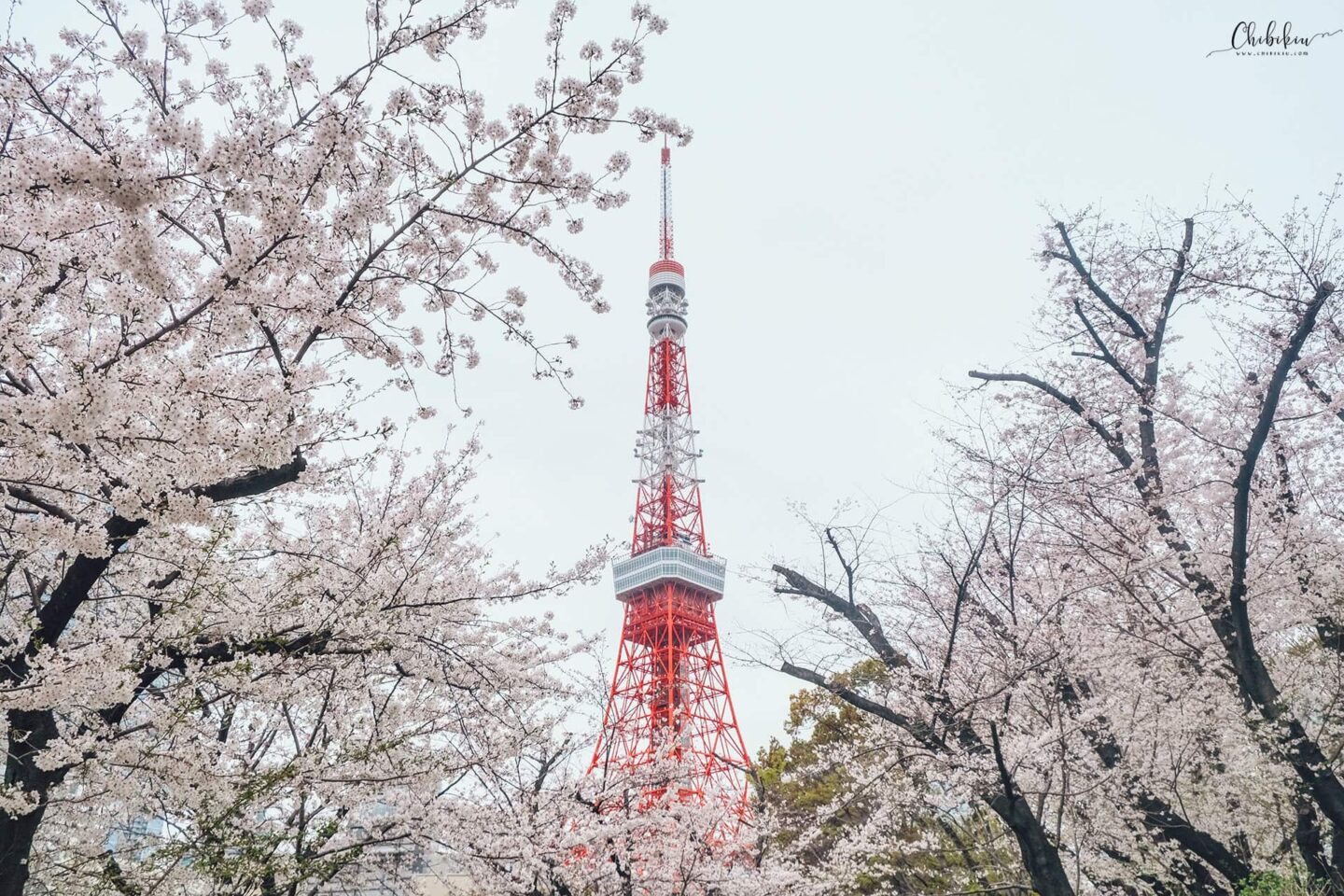
4.1. Tokyo Tower
A landmark that has appeared in countless manga and anime series, Tokyo Tower is one of the city’s most iconic attractions. Recognizable by its distinctive orange-and-white color scheme, the tower serves as both a broadcasting tower and a popular sightseeing destination. Visitors can enjoy panoramic views of Tokyo from its observation decks or admire its dazzling illumination after sunset.
4.2. Senso-ji Temple
Senso-ji Temple is Tokyo’s oldest and most famous Buddhist temple, located in the vibrant district of Asakusa. Founded in the 7th century, it is dedicated to Kannon, the Goddess of Mercy, and welcomes millions of visitors each year. The temple’s highlights include the iconic Kaminarimon (Thunder Gate) with its giant red lantern and Nakamise Shopping Street, a lively arcade lined with traditional shops leading to the temple grounds.
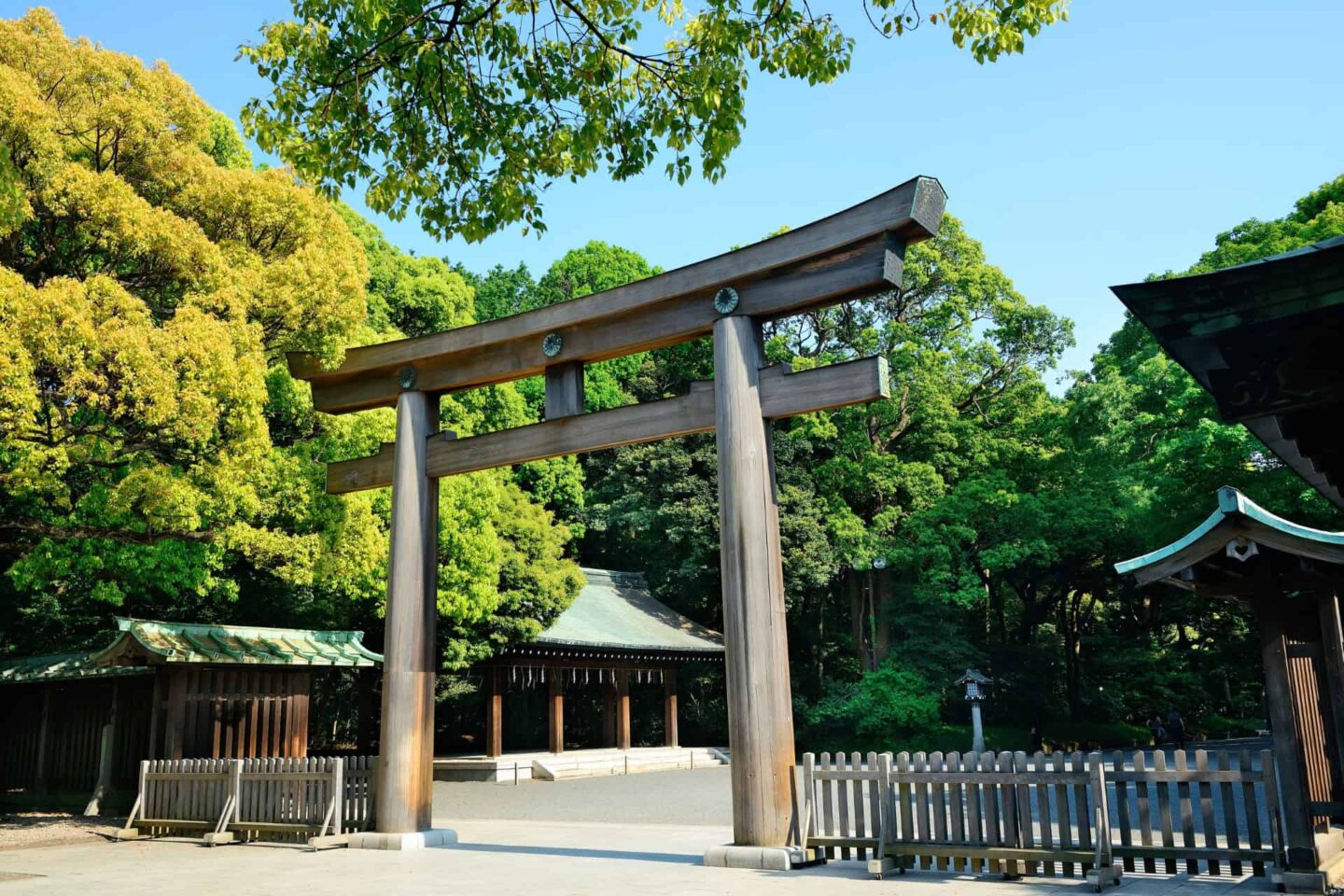
4.3. Meiji Jingu Shrine
Meiji Jingu Shrine is one of Tokyo’s most important and tranquil Shinto shrines. It was built to honor Emperor Meiji and Empress Shoken and stands as a symbol of Japan’s modern history.
Although located in the heart of Tokyo, the shrine is surrounded by a lush forest within Yoyogi Park, creating a peaceful retreat from the city’s bustling streets. Its elegant traditional architecture, serene atmosphere, and sacred rituals make Meiji Jingu an ideal place to experience Japan’s spiritual heritage.
4.4. teamLab Borderless
teamLab Borderless is the world’s first borderless digital art museum, where light, technology, and immersive installations come together to create an interactive environment unlike any other. Here, artworks move freely between spaces, respond to visitors’ movements, and seamlessly blend with one another to create an ever-changing artistic experience.
Some of the museum’s most popular installations include:
- Dark Crystal Formation (Megalith Crystal Formation): A dazzling field of illuminated crystals that continuously changes color and appearance, surrounding visitors with a mesmerizing display of light.
- Universe of Water Particles on a Rock: A digital waterfall that dynamically responds to visitors’ movements, creating a unique scene every time.
- Bubble Universe / Microcosmoses: An immersive space filled with glowing spheres that react to the presence and movement of guests, making each visit a one-of-a-kind experience.
4.5. Tokyo’s Famous Districts
Tokyo is a city of vibrant neighborhoods, each with its own distinct character while reflecting the dynamic and diverse spirit of the Japanese capital.
- Akihabara is a paradise for technology enthusiasts, anime and manga fans, offering countless electronics stores, gaming centers, collectible shops, and uniquely themed cafés.
- Shinjuku is Tokyo’s entertainment and shopping hub, famous for its towering skyscrapers, dazzling neon-lit streets, lively nightlife, and the peaceful oasis of Shinjuku Gyoen National Garden.
- Shibuya is the heart of Tokyo’s youth culture and fashion scene. Home to the world-famous Shibuya Crossing, it is packed with trendy boutiques, cafés, restaurants, and some of the city’s most popular photo spots.
5. Day Trip Destinations Near Tokyo
5.1. Mount Fuji
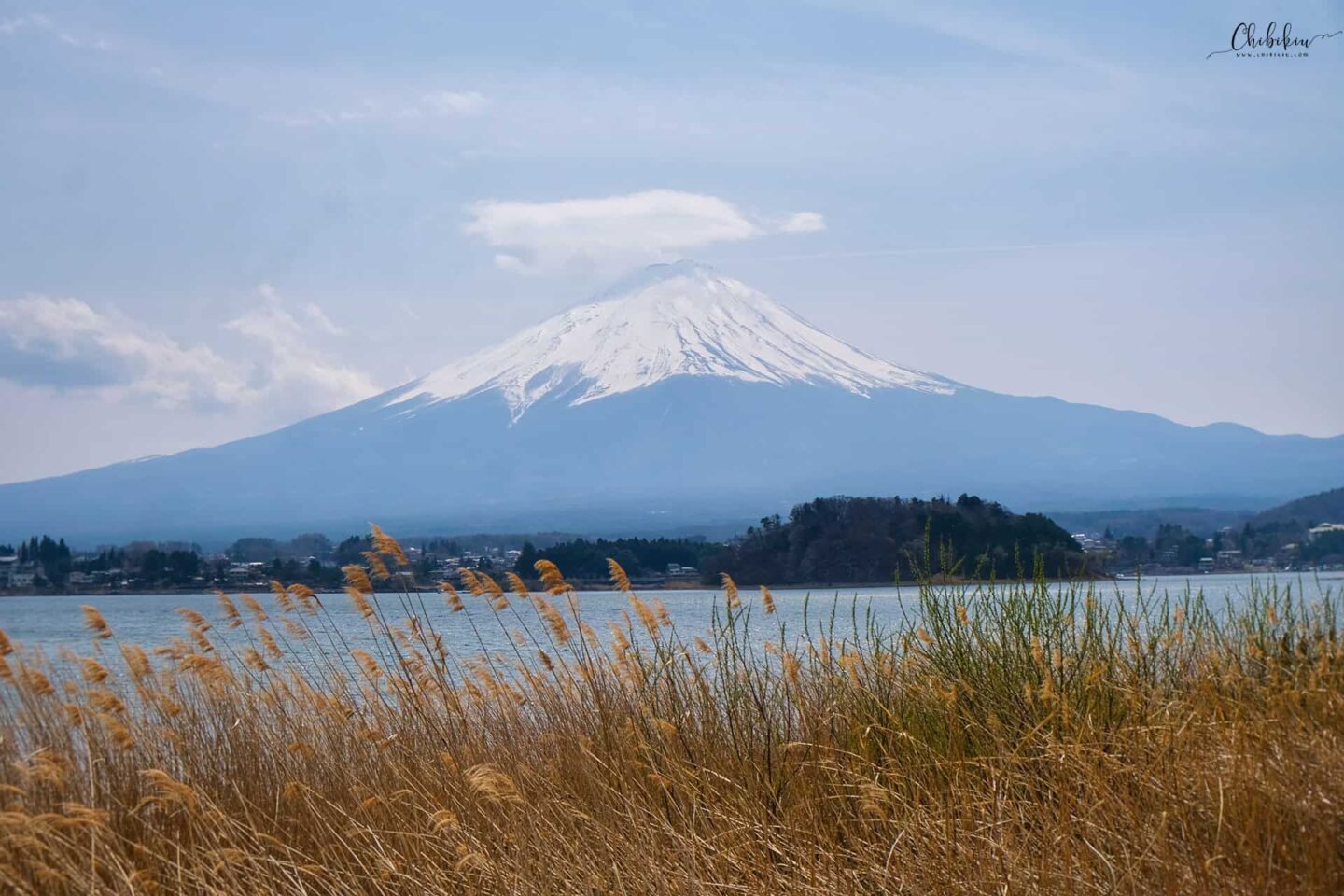
Mount Fuji, Japan’s most iconic and sacred mountain, is one of the most popular day-trip destinations from Tokyo. Located just around two hours from the capital, Japan’s highest volcano captivates visitors with its majestic beauty and breathtaking scenery.
Beyond simply admiring the mountain, there are plenty of memorable experiences to enjoy around Mount Fuji. Visitors can explore the traditional village of Oshino Hakkai, take in spectacular views from Lake Kawaguchi, or, during the summer climbing season, hike to one of the mountain’s climbing stations—or even attempt the summit.
5.2. Hakone
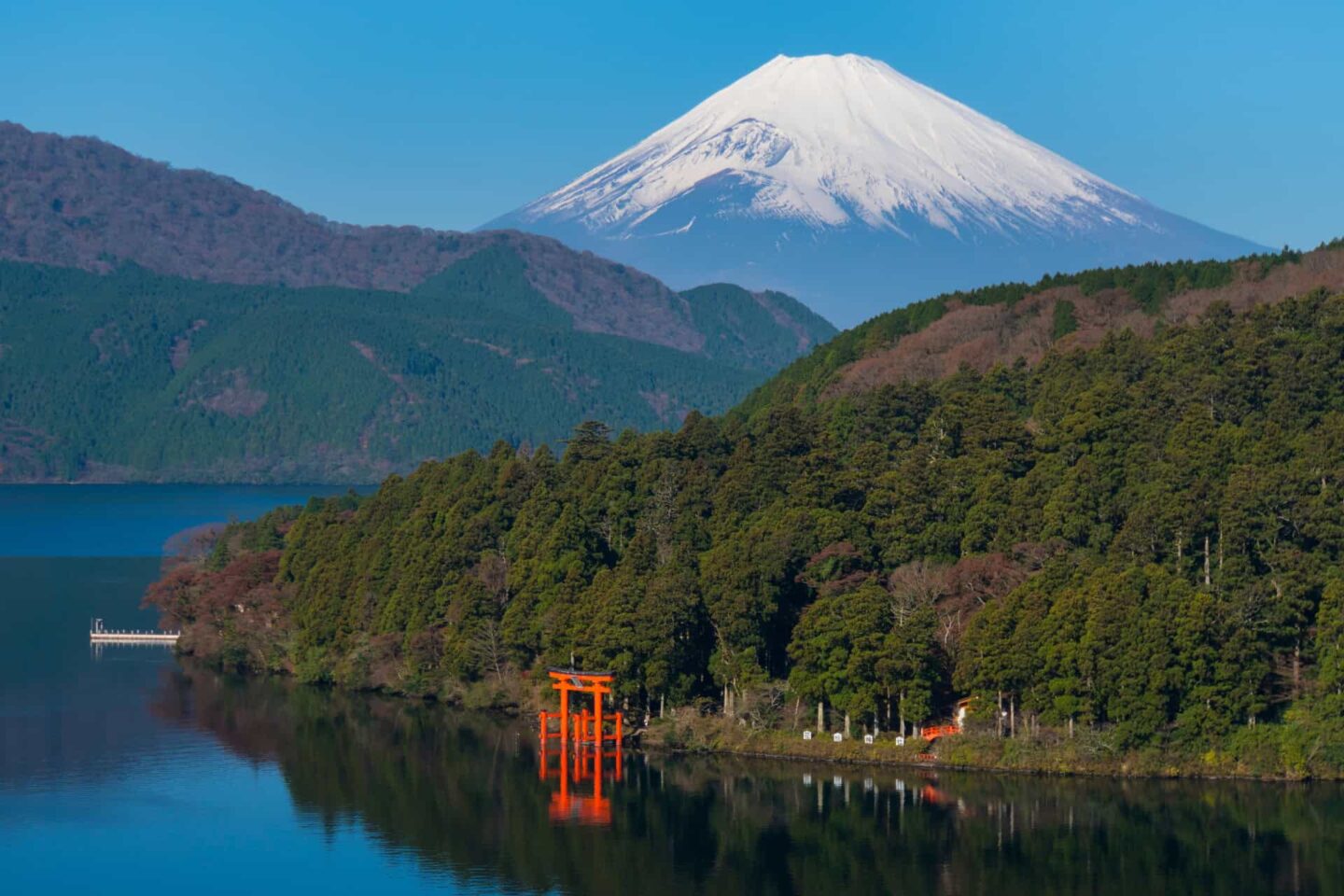
Renowned for its stunning natural landscapes, relaxing onsen (hot springs), and spectacular views of Mount Fuji, Hakone is an ideal escape from Tokyo. Just one to two hours away by train, the area is home to the picturesque Lake Ashi, the scenic Hakone Ropeway, the Hakone Open-Air Museum, and a variety of peaceful resorts nestled in the mountains, making it a perfect destination for both sightseeing and relaxation.
5.3. Kamakura
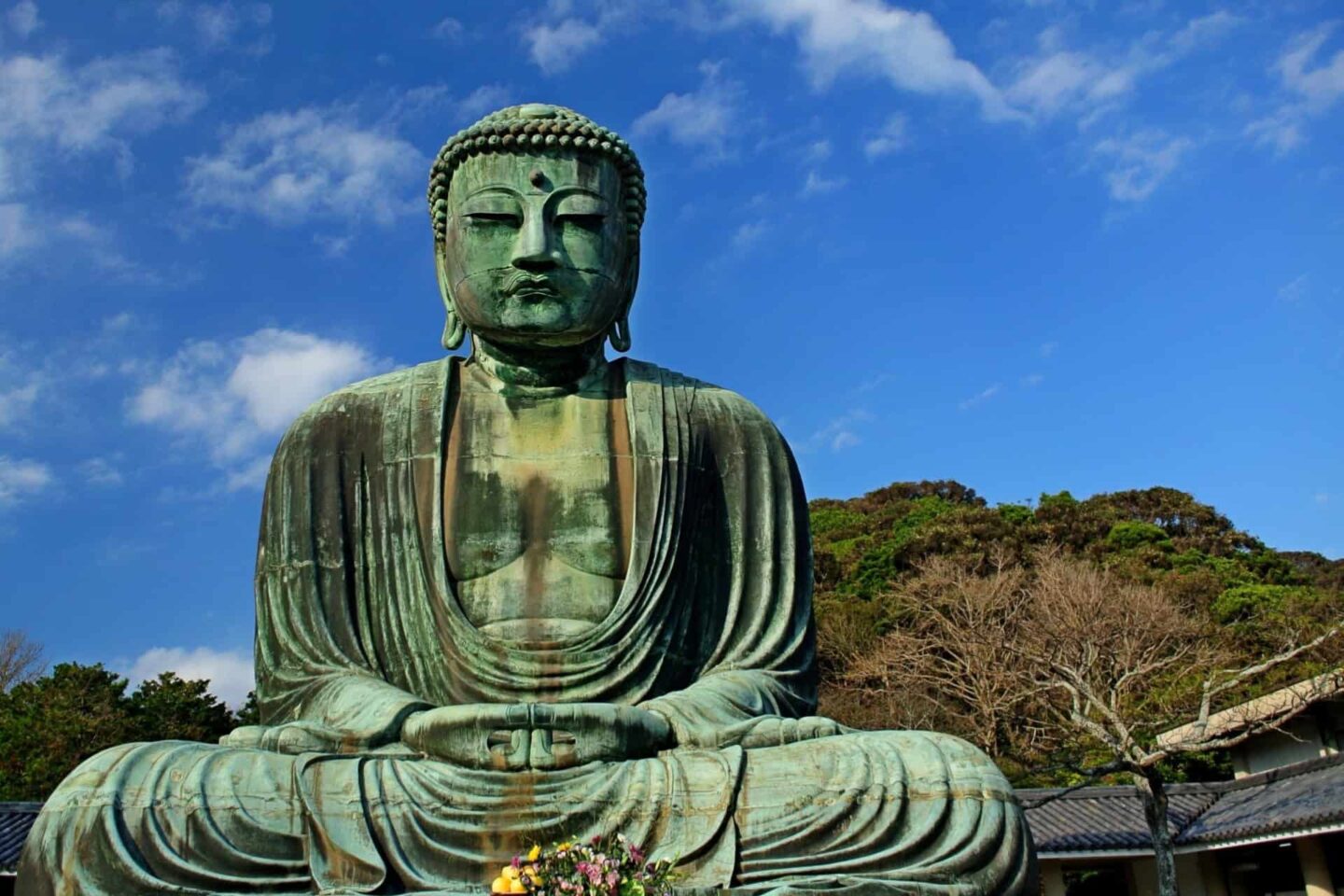
Just about an hour from Tokyo by train, Kamakura is a charming coastal city rich in history and culture. Its most famous landmarks include the Great Buddha (Daibutsu) and Hasedera Temple, both of which attract visitors from around the world.
With its tranquil atmosphere, picturesque old streets, beautiful beaches, and historic temples, Kamakura offers the perfect setting to unwind while experiencing Japan’s traditional culture amid beautiful natural surroundings.
6. Tokyo Travel Food Guide
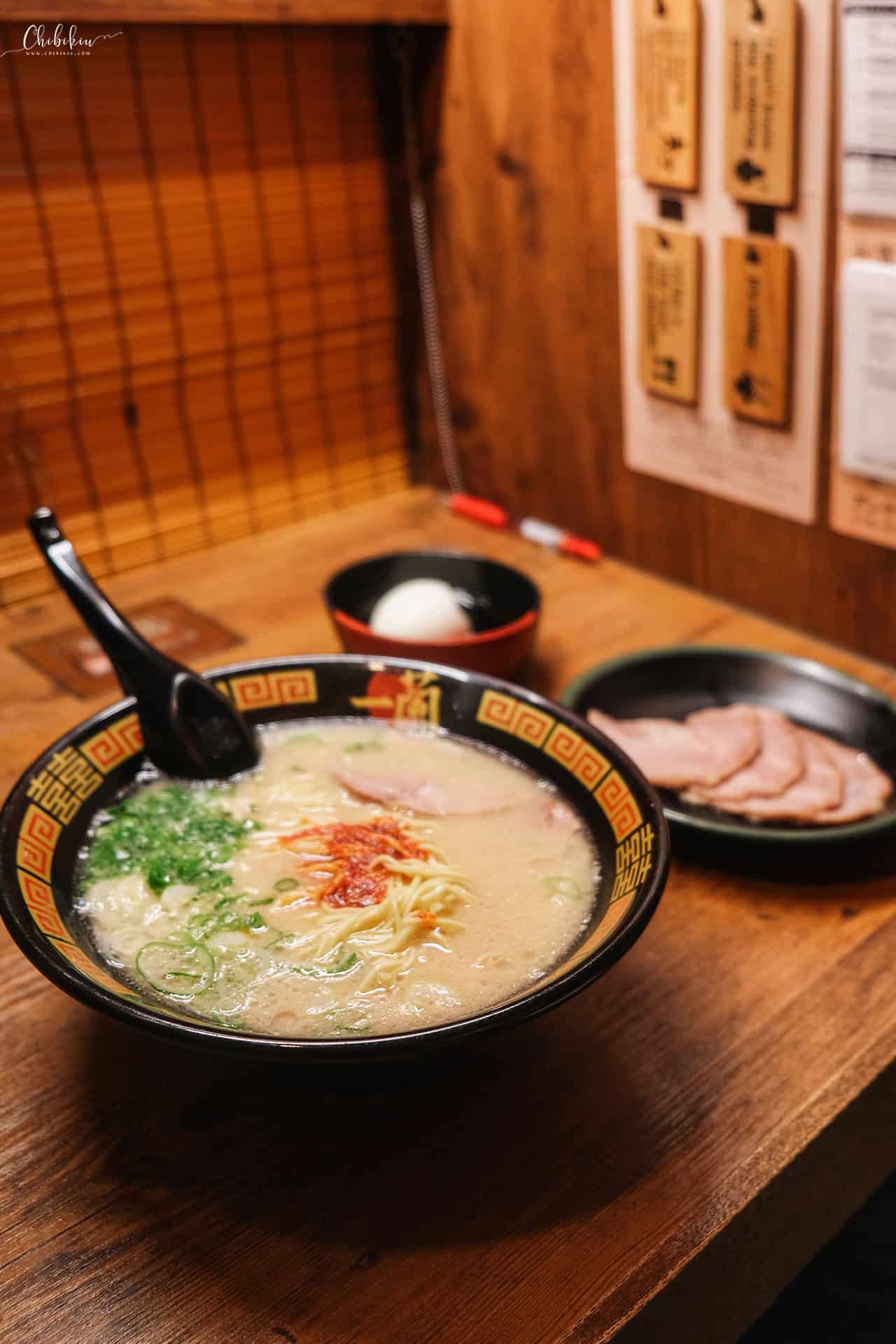
As one of the world’s largest cities, Tokyo offers an incredible dining scene, with countless restaurants serving everything from casual local dishes to Michelin-starred cuisine. During my trip, almost every restaurant I visited exceeded my expectations—the food was consistently excellent.
Because the city is so vast and great restaurants are scattered across different neighborhoods, finding the “perfect” place to eat can actually be quite challenging. My advice is simple: eat wherever you happen to be sightseeing. Nearly every district in Tokyo has outstanding dining options, so there’s usually no need to travel across the city just for a meal.
Tips for Finding Restaurants in Tokyo
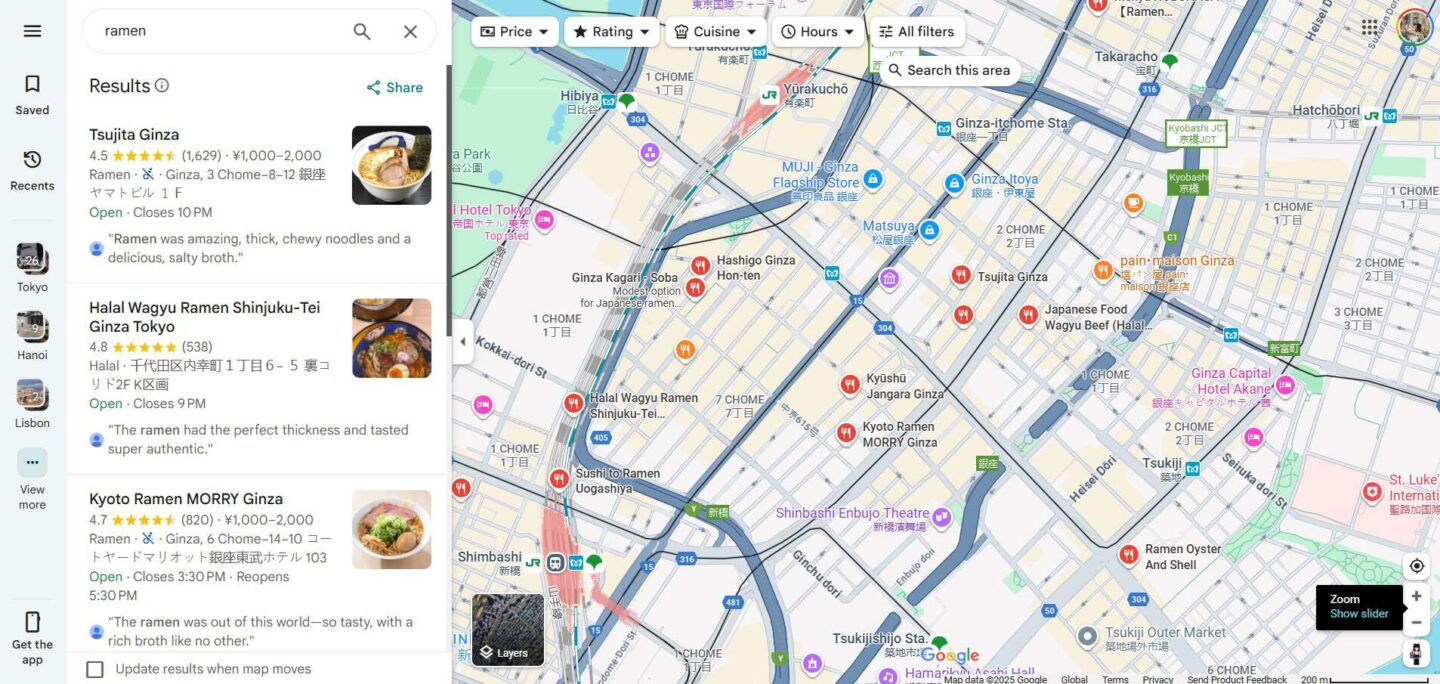
- Use Google Maps to search for nearby restaurants and read reviews. Another easy rule of thumb is that if you see a restaurant with a long queue of locals, it’s usually a sign that the food is worth the wait.
- Reserve a table in advance when possible. You can make reservations through Google Maps or Tabelog, Japan’s most popular restaurant review and booking platform. Some restaurants, particularly popular or high-end ones, accept reservations only and may not accommodate walk-in guests.
- Don’t expect everyone to speak English. At many restaurants in Tokyo—and Japan in general—staff may have limited English proficiency or speak very little English. Having a translation app or learning a few basic Japanese phrases can make your dining experience much smoother.
7. Tokyo Travel Itinerary
7.1. How to Plan Your Tokyo Itinerary
I recommend spending 4 days and 3 nights in Tokyo. In reality, it’s almost impossible to explore every part of the city in a single visit—it usually takes several trips to truly experience Tokyo. The city is enormous, with countless neighborhoods to discover, and getting from one area to another can be quite time-consuming. Even with four days and three nights, and assuming good weather, you’ll only have enough time to visit some of Tokyo’s most iconic districts and attractions.
Another reason I recommend limiting your stay to around 4 days and 3 nights is the cost. Tokyo is an expensive city, and accommodation, transportation, and dining expenses can add up quickly, even over a relatively short trip.
Below is Chibikiu’s 4-day, 3-night Tokyo itinerary, which you can use as a reference. Please note that this itinerary is designed specifically for the cherry blossom season.
Day 1: Asakusa (Senso-ji Temple) – Akihabara – Ginza
Day 2: Shinjuku Gyoen – Shibuya – Kabukicho
Day 3: Meiji Jingu Shrine – Roppongi Hills – teamLab Borderless
Day 4: Chidorigafuchi – Meguro
7.2. Tokyo Travel Map
To make planning your Tokyo itinerary easier, you can refer to interactive map below. I’ve pinned all the major attractions as well as some of my favorite restaurants and must-try dining spots across Tokyo, making it easy to organize your sightseeing and meal stops.
8. Tokyo Travel Expense
8.1. Tokyo Travel Expense
Tokyo is undeniably an expensive city—where every square meter comes at a premium, and that is reflected in the cost of almost everything. During my trip, the largest portion of my budget went toward accommodation, which says a lot about how expensive hotels in Tokyo can be. To make matters even more costly, I visited during the peak cherry blossom season, when room rates can easily double compared to other times of the year.
Other travel expenses, including transportation, dining, and sightseeing, are also generally higher than in destinations such as China, Thailand, or Taiwan. That’s why it’s important to plan your budget carefully before your trip. A few unplanned splurges here and there can quickly add up and leave you spending far more than you expected.
Below is my cost breakdown for a trip to Tokyo. Feel free to use it as a reference. Please note that transportation to and from Tokyo, as well as the Japan visa fee, are not included.
| TRANSPORT 5 days | 4,600¥ | * The amount top up to ICOCA Card as 100% using public transport |
| ACCOMMODATION 4 nights | 22,600¥ | |
| SIGHTSEEING | ||
| teamlab Borderless Tickey | 4,200¥ | * Buy from Klook |
| Shinjuku Gyoen Ticket | 500¥ | |
| EATING 5 days | 12,200¥ | |
| LOCKER | 1,200¥ | |
| TOTAL | 45,300¥ | 277 USD |
8.2. Tokyo Saving Tips
As I mentioned earlier, Tokyo is an expensive city, but with a few smart strategies, you can manage your budget while still enjoying everything the city has to offer.
Here are some practical money-saving tips for traveling in Tokyo—and Japan in general:
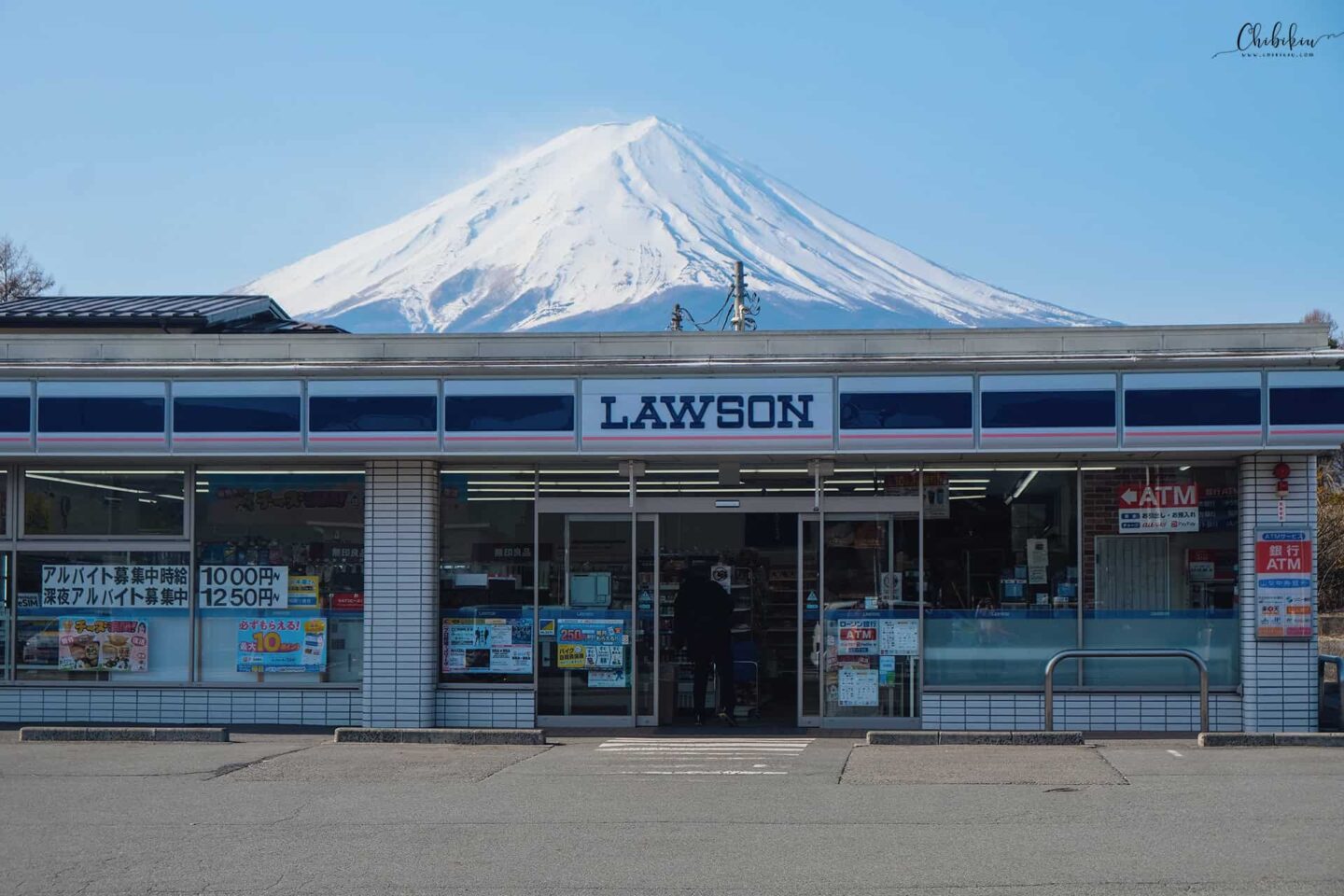
- Save on meals by eating at convenience stores. Convenience stores such as 7-Eleven, FamilyMart, and Lawson are everywhere in Tokyo and offer a wide variety of fresh, delicious, and affordable meals, snacks, and drinks.
- Use a prepaid transit card for public transportation. Tokyo’s train and subway network is efficient, reliable, and much more economical than taking taxis. Unless absolutely necessary, it’s best to avoid taxis, as fares can be very expensive.
- Carry enough cash. Although cashless payments are becoming more common, Japan remains a cash-oriented society. Many small restaurants, local eateries, and independent shops still accept cash only, so it’s a good idea to withdraw enough money before heading out for the day.
9. Final Thoughts: Tokyo Travel Guide
9.1. Japan Travel Tips
– Applying for a Japanese visa can be a bit unpredictable. Even travelers who already hold a valid U.S. or Schengen visa are not guaranteed approval for a Japanese visa. To make the application process smoother and reduce the risk of issues, it’s best to apply through one of the authorized visa agencies designated by the Japanese Embassy or Consulate. You can find the official list of accredited agencies on the website of the Japanese Embassy in your country.
– Use an eSIM for your trip to Japan. It’s a convenient way to stay connected as soon as you arrive without having to swap physical SIM cards. You can compare different SIM card and eSIM packages for Japan here.
– Don’t expect everyone to speak English. Many Japanese people, especially outside major tourist attractions, have limited English proficiency. Learning a few basic Japanese travel phrases before your trip can make communication much easier and enhance your overall travel experience. You can find a list of useful Japanese travel phrases here.
9.2. Tokyo Travel Vlog
Tokyo is an incredibly vast city, and each neighborhood has its own unique charm and character. No single blog post can fully capture everything this fascinating metropolis has to offer.
Join Chibikiu in the vlog below as we explore Tokyo—from its most iconic landmarks and must-visit neighborhoods to an unforgettable cherry blossom journey through the heart of Japan’s vibrant capital.
9.3. Final Thoughts
Tokyo is not only one of the world’s most modern cities but also a place where the timeless essence of Japanese culture is beautifully preserved. I hope the tips and experiences shared in this guide will help you enjoy a smoother, more memorable journey as you explore Japan’s vibrant capital.
To help you prepare even better for your trip to Japan, be sure to check out the following articles:
Osaka Travel Guide
If you found this article helpful, you can support me in keeping the blog going by clicking the link below:
|
– MUST-USE WEBSITE TO PLAN YOUR NEXT TRIP –
|

