Widely regarded as a “living museum” preserving the very essence of Japan, Kyoto excludes a timeless charm, where traces of history and tradition captivate visitors from around the world. A trip to Kyoto feels like stepping back into Japan’s golden age. In this blog, Chibikiu will share a complete Kyoto travel guide and useful tips for your upcoming trip.
Table of Contents
1. Introduction to Kyoto
Before diving into the Kyoto travel guide & tips, here is a brief introduction to this city. Kyoto is a city located in Kyoto Prefecture in the Kansai region of Japan. In Japanese, “Kyoto” means “capital city,” a name that perfectly reflects its historical significance. In 794, Kyoto (then called Heian-kyo) was chosen as the new capital of Japan. Japanese emperors ruled from Kyoto for more than 11 centuries until 1869, when the capital was moved to Tokyo.
Kyoto is considered the “cultural hub” of Japan and one of the country’s most attractive travel destinations. Around 20% of Japan’s National Treasures and 14% of its Important Cultural Properties are located in Kyoto.
This alone shows how immense Kyoto’s historical and cultural heritage truly is. Throughout the city, visitors will find countless temples, shrines, palaces, and gardens that carry the beauty of passing time. Traveling to Kyoto feels like taking a journey through history, where the spirit of old Japan still remains alive.
2. Tourist Attractions in Kyoto
According to statistics, Kyoto is home to around 400 shrines and 1,700 temples, meaning there is no shortage of places to explore.
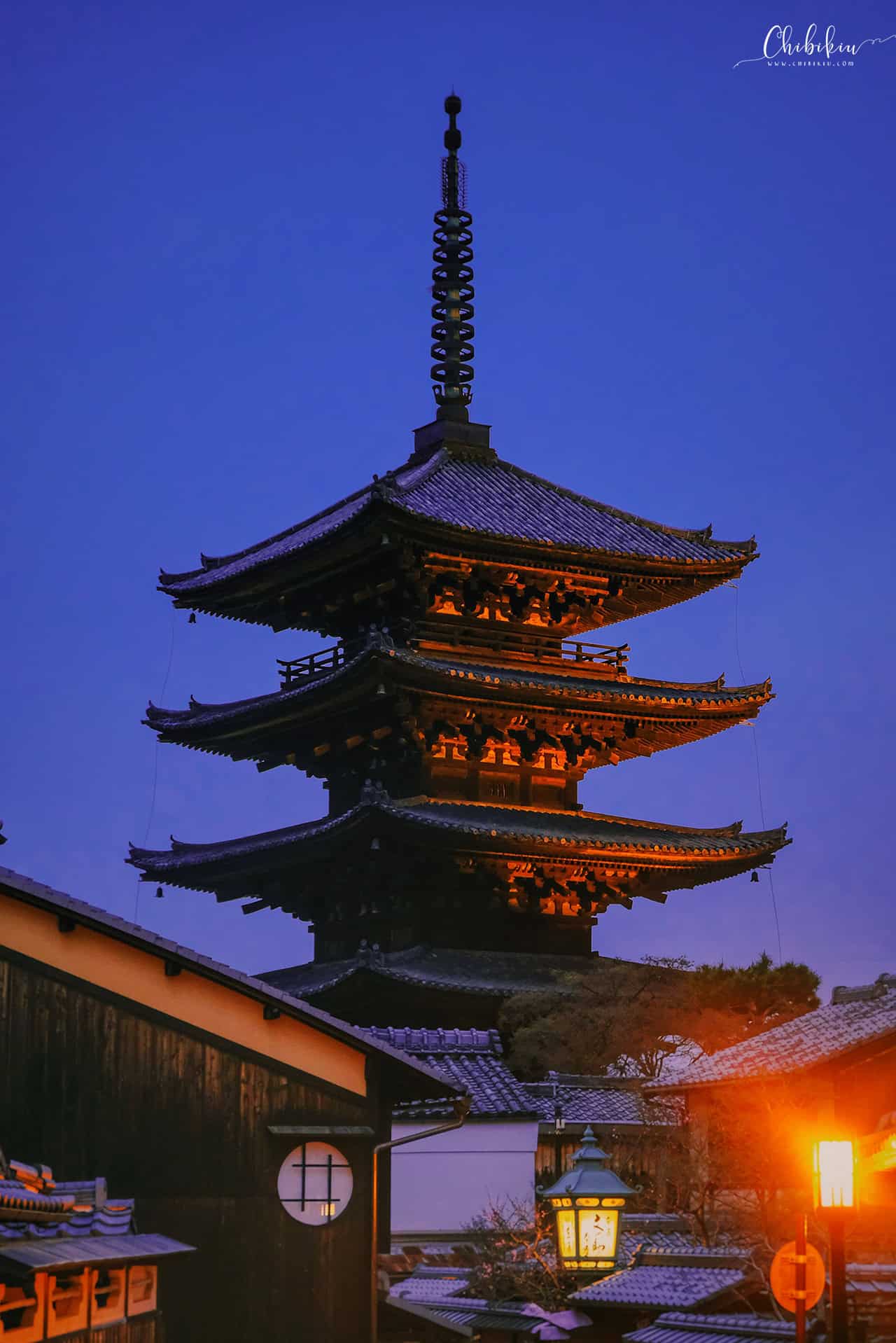
Some of Kyoto’s most famous attractions include Kiyomizu-dera, Fushimi Inari Taisha, Kinkaku-ji, and Arashiyama. Below are detailed introductions to the city’s highlights.
2.1. Kiyomizu-dera – Pure Water Temple
One of the most iconic images associated with Kyoto is Kiyomizu-dera, also known as the Pure Water Temple. The temple takes its name from the waterfall flowing from the nearby mountain, where “Kiyomizu” means “pure water” or “clear water.”
With a history of over 1,200 years, Kiyomizu-dera is part of the UNESCO World Heritage Site known as the Historic Monuments of Ancient Kyoto. The temple features rare ancient architecture because it was built even before Heian-kyo, the old capital of Kyoto, was established.
2.2. Fushimi Inari – The Thousand Torii Gates Shrine
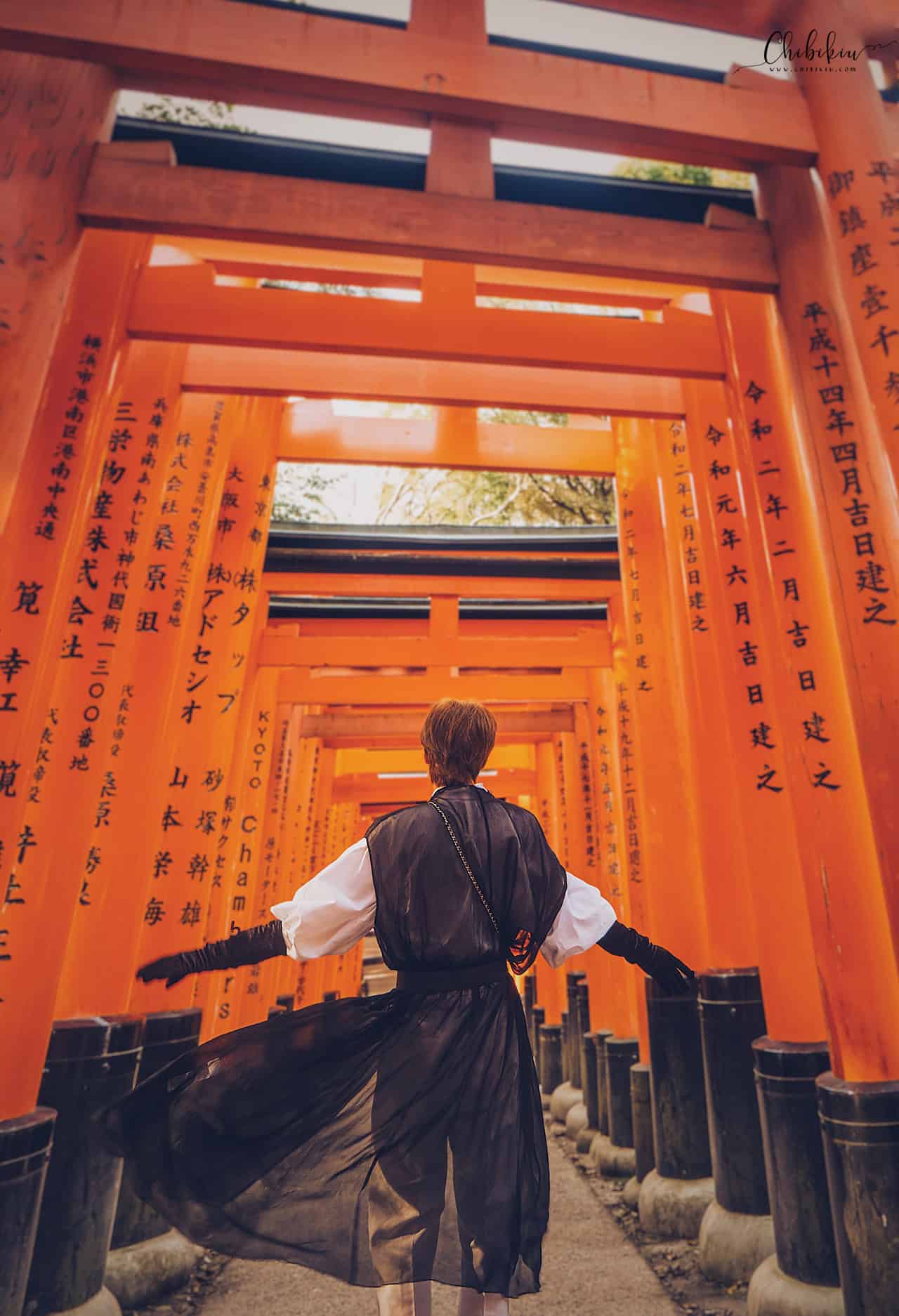
Built in the 8th century and considered one of Japan’s oldest shrines, Fushimi Inari Shrine is dedicated to Inari, the god of rice harvests and prosperous business.
Unlike any other shrine in Japan, Fushimi Inari is famous for its more than 10,000 orange torii gates. Walking through them feels like entering a magical maze of endless red pathways.
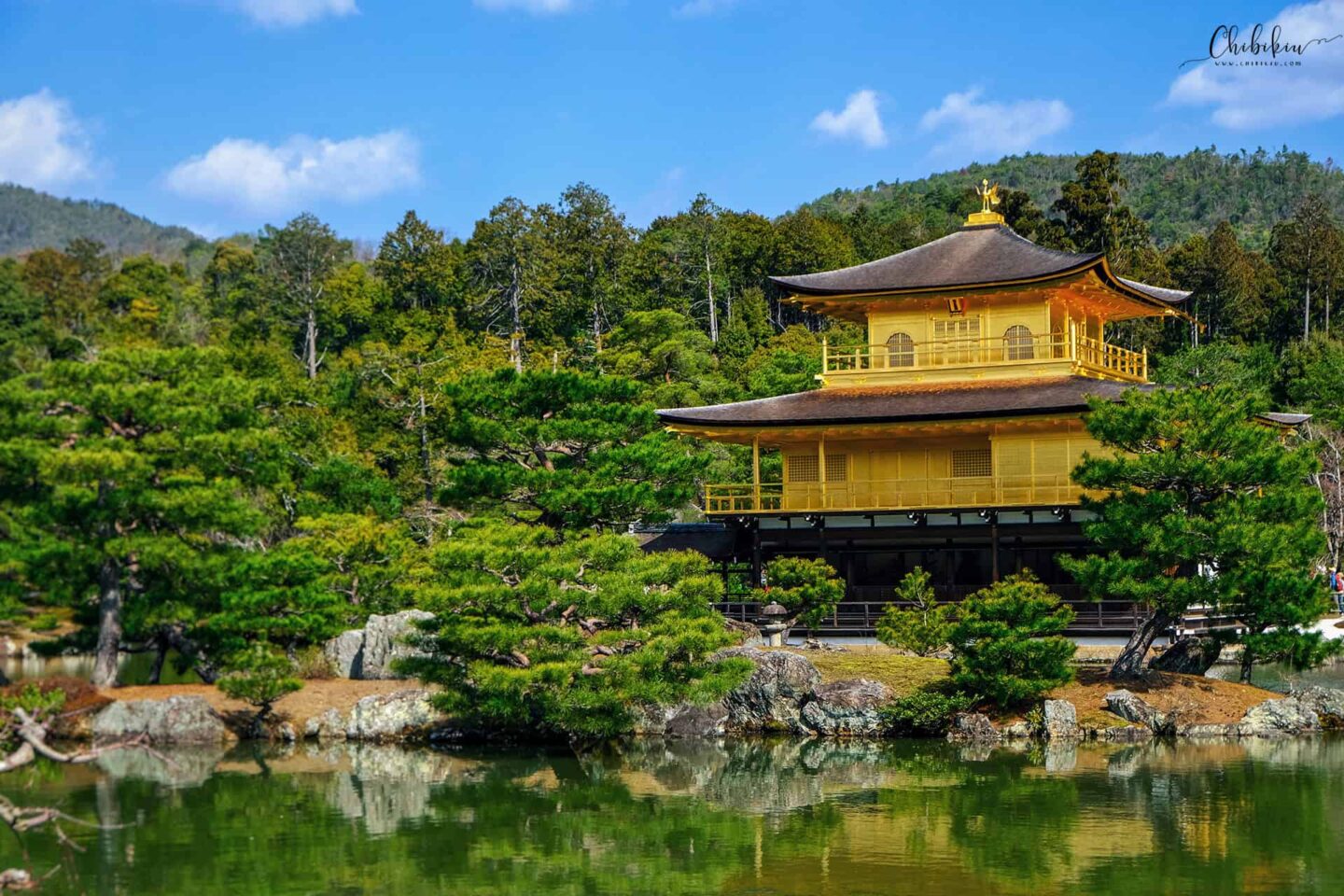
2.3. Kinkaku-ji – The Golden Pavilion
Kinkaku-ji, also known as Rokuon-ji, is a famous Zen temple with centuries of history. It has become one of the most recognizable cultural symbols of Japan and attracts countless visitors every year.
The temple stands out thanks to its gold-leaf exterior combined with elegant traditional Japanese architecture, all surrounded by beautifully designed gardens.
2.4. Gion District – Geisha District
Gion is Kyoto’s most famous geisha district. The area is filled with traditional shops, restaurants, and tea houses where geiko (Kyoto’s local term for geisha) and maiko (apprentice geisha) work and entertain guests.
As you stroll through the streets, you may occasionally catch a glimpse of a geisha gracefully passing by.
2.5. Arashiyama – Retreat Destination
Located in the northwestern outskirts of Kyoto, Arashiyama has long been a retreat destination for Japanese nobles since the Heian period. The area combines historical sites, peaceful scenery along the Katsura River, and stunning natural landscapes.
Its most famous attraction is the Arashiyama Bamboo Forest, where thousands of tall green bamboo trees line both sides of the pathway.
2.6. Toji Temple – A Gateway to the Past
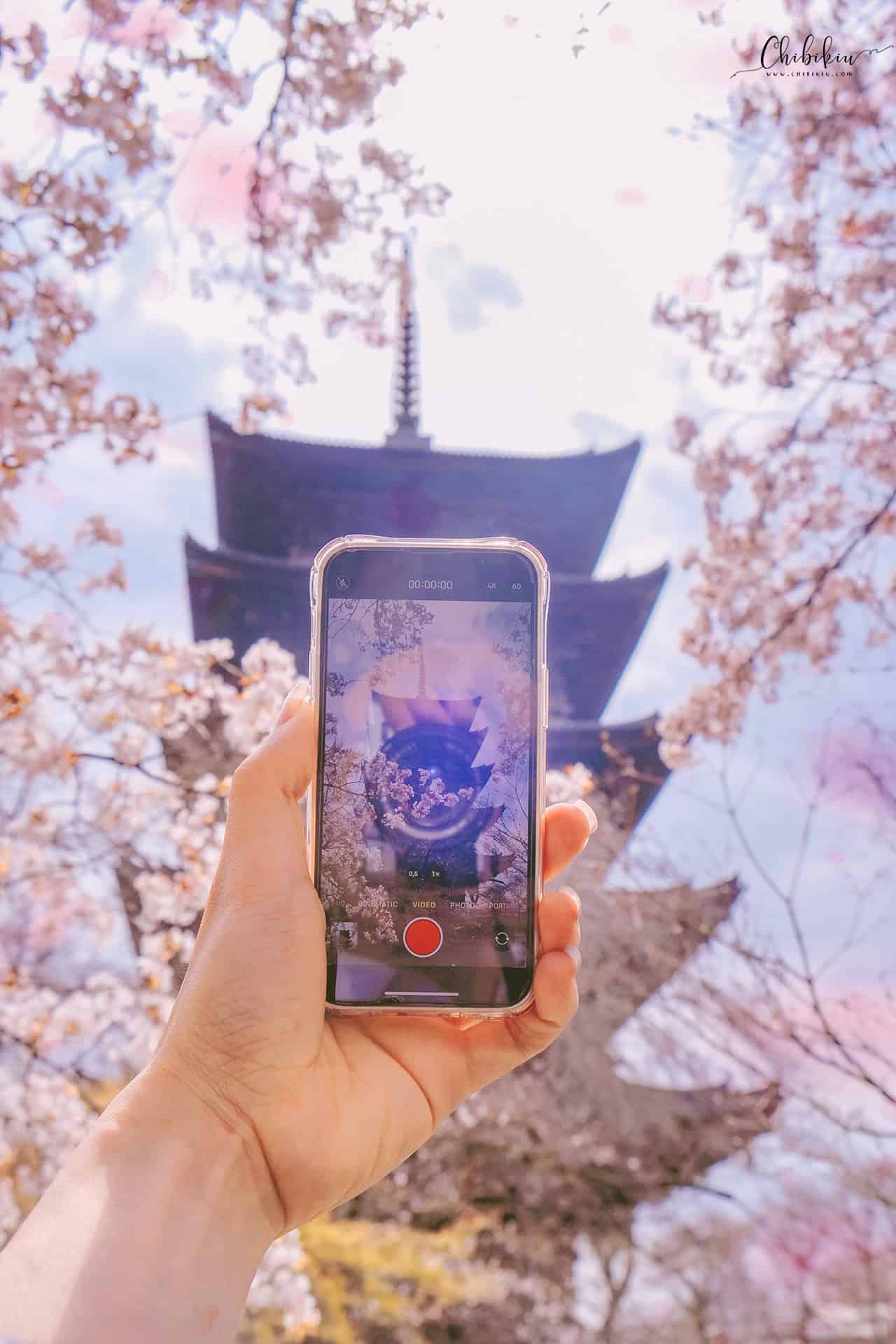
Toji Temple is a timeless symbol of Kyoto and home to Japan’s tallest wooden pagoda.
The temple dates back to the 700s, before Kyoto officially became the capital city. During the Heian period, Toji Temple and Saiji Temple served as guardian temples protecting the southern entrance to the city.
Despite more than 1,200 years of history and many disasters such as fires, earthquakes, and lightning strikes, Toji Temple still preserves its ancient beauty and spiritual atmosphere, attracting visitors.
2.7. Nijo Castle – Shogun Home
Nijo Castle is one of the 17 Historic Monuments of Ancient Kyoto recognized as a UNESCO World Heritage Site.
Built in 1603 as the residence of Tokugawa Ieyasu, the first shogun of the Edo period, the castle later became an imperial palace after the fall of the Tokugawa Shogunate in 1867. Today, it is open to the public as a historical attraction.
2.8. Nishiki Market – Kyoto’s Kitchen
Nishiki Market is one of Japan’s oldest traditional markets. Covered with colorful roofing, the market stretches around 400 meters and contains more than 130 shops.
Visitors can find everything from fresh seafood and local produce to tofu, pickled foods, and ready-to-eat Japanese specialties.
2.9. Nanzenji Temple – Grand Zen Complex
Nestled at the foot of the Higashiyama Mountains, Nanzenji is one of Japan’s most famous Zen temples.
The temple serves as the head temple of one of the branches of the Rinzai sect of Japanese Zen Buddhism. The complex includes sub-temples, a large Sanmon gate, beautiful gardens, and a historic aqueduct that once carried water from Lake Biwa to Kyoto.
2.10. Tourist Destinations Near Kyoto
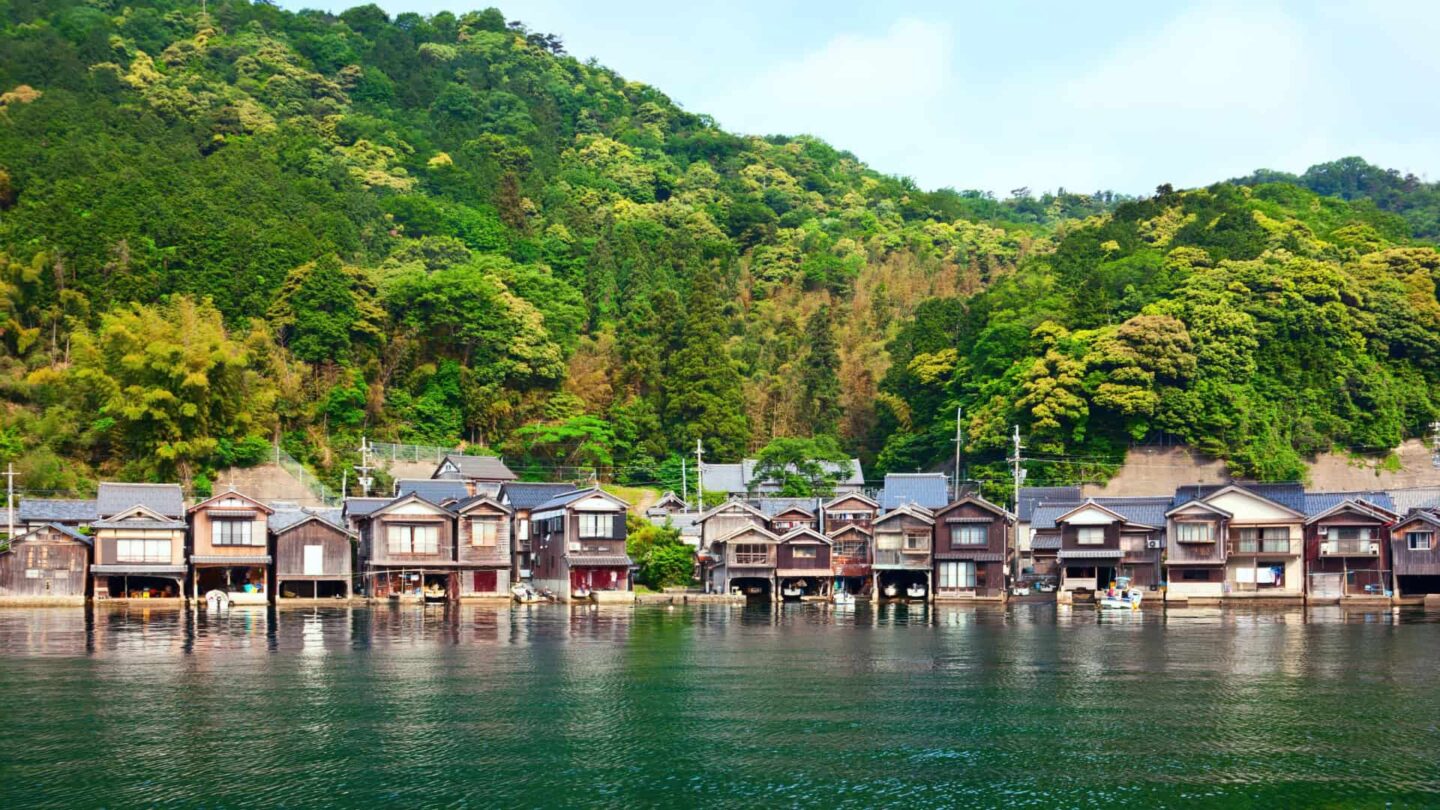
Around Kyoto, there are many beautiful places worth visiting, including Uji, Kayabuki no Sato, and Ine Fishing Village. These destinations can easily be explored as day trips from Kyoto.
- Osaka: Japan’s second-largest city and the economic center of the Kansai region. Osaka is known for its lively atmosphere, unique culture, and amazing food scene.
- Uji: The matcha capital of Japan, famous for its tea culture and historical charm.
- Kayabuki no Sato: A fairy-tale-like village filled with traditional thatched-roof houses carefully preserved as cultural heritage.
- Ine Fishing Village: A peaceful seaside village famous for its unique boathouses lining the beautiful bay.
To visit these places, you can either explore independently or opt for hassle-free day tours through Klook or GetYourGuide. Another great option is reaching out to local expat communities in Japan — especially the Vietnamese community, which is one of the largest foreign communities in the country.
During our trip, we contacted a few Vietnamese locals in Japan for private taxi services and were surprised to find their rates more reasonable than many tours on Klook, Viator, or GetYourGuide. More importantly, they didn’t just drive us from place to place — they also shared local insights and recommendations that made the experience feel far more personal and authentic.
3. Best Time to Visit Kyoto
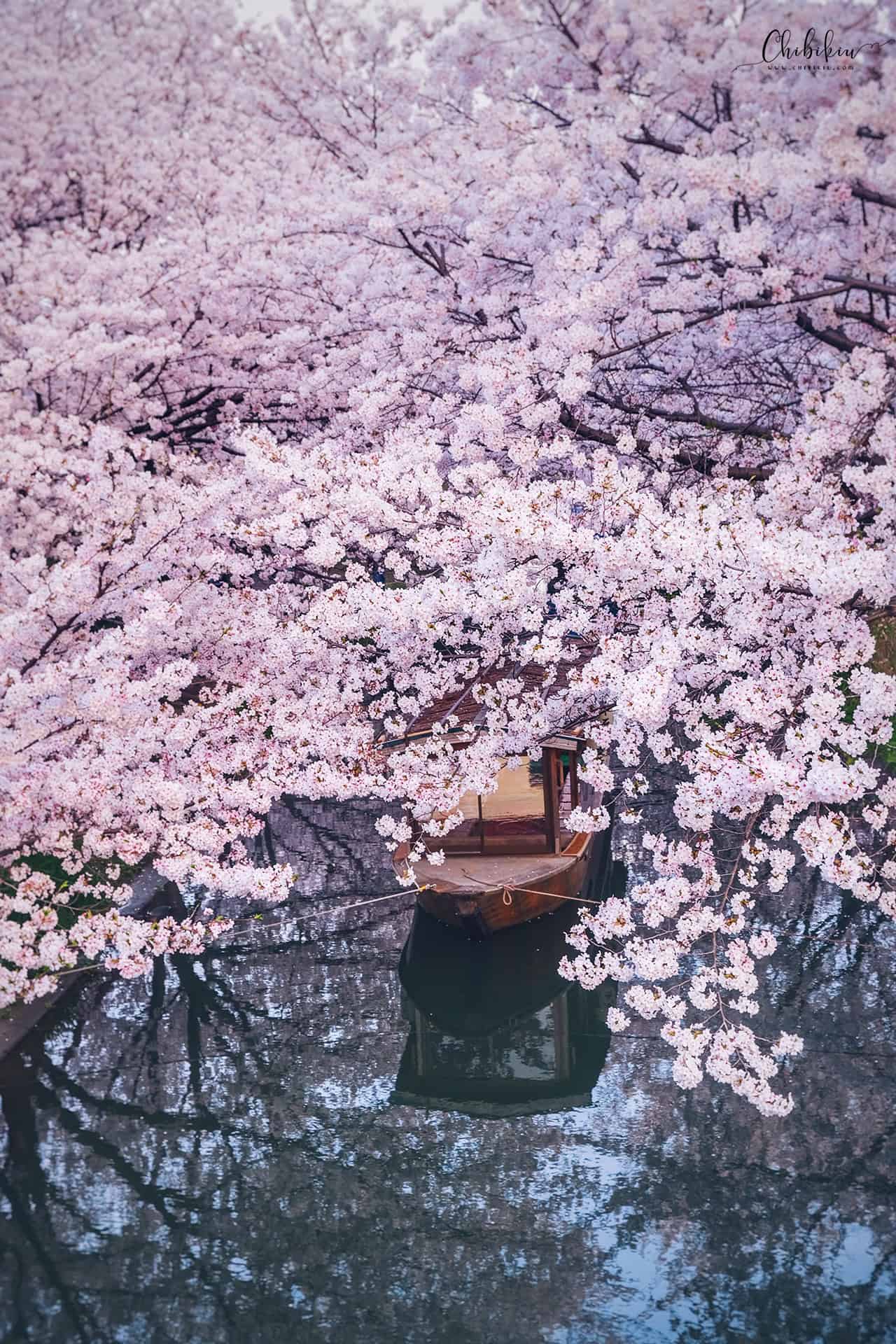
Kyoto is a year-round destination, and visitors can enjoy the city in every season. However, the two most beautiful seasons are cherry blossom season and autumn foliage season.During these two periods, Kyoto’s historical streets and temples are decorated with breathtaking natural colors.
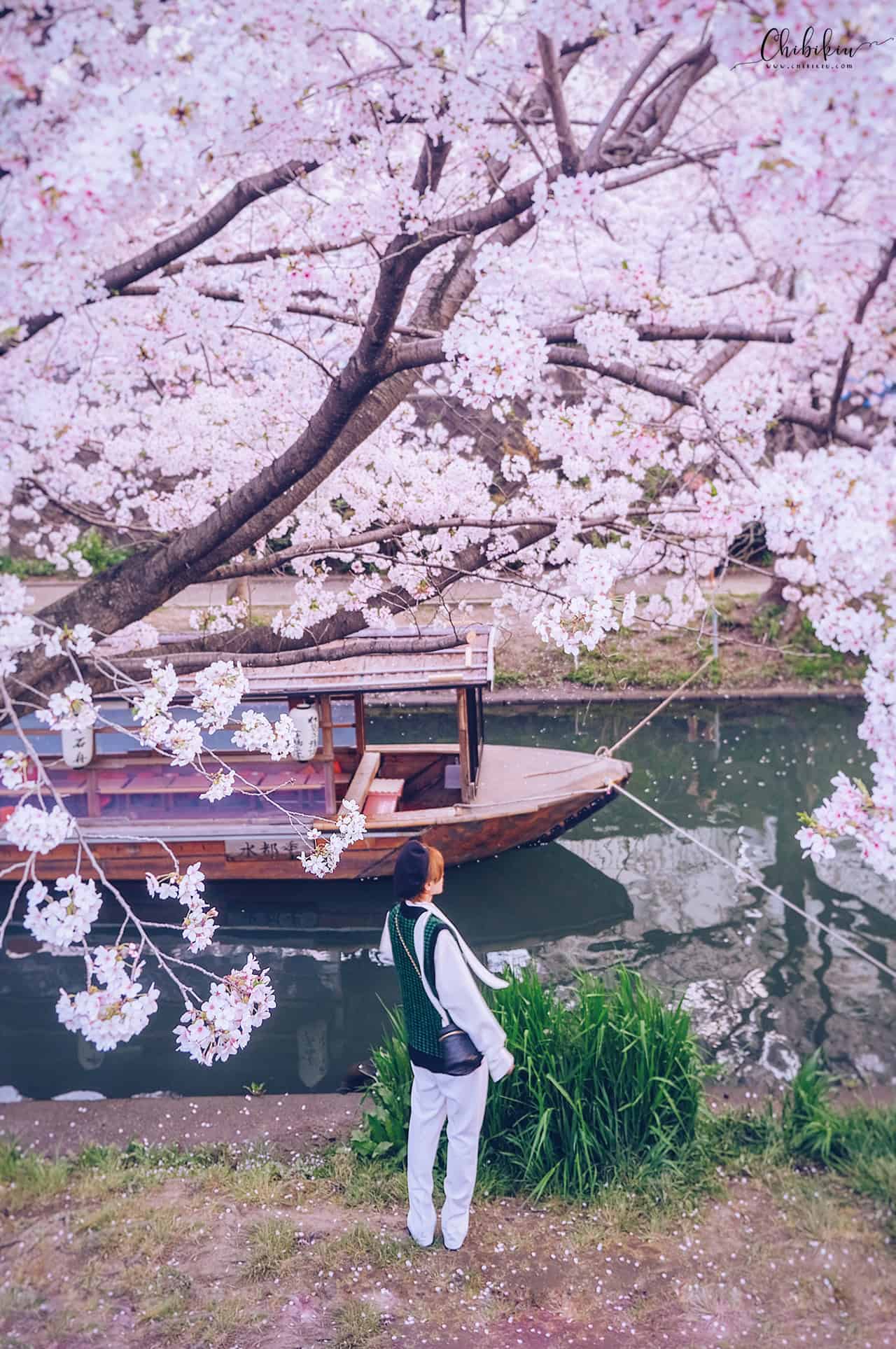
I visited Kyoto during cherry blossom season. At that time, the entire city was covered in soft pink sakura blooms, creating an unforgettable atmosphere. However, traveling during cherry blossom season can also feel like a “disaster” because everything becomes extremely crowded and expensive. Hotel prices can easily double compared to the low season, and accommodations often sell out quickly.
It is also best to avoid Japan’s Golden Week holiday period, which overlaps with the International Labour Day (May 1st). During this time, domestic and also international tourism surges and prices become significantly higher.
4. Transportation Tips in Kyoto
At first, I thought Kyoto’s ancient atmosphere would mean limited transportation options. But in reality, it turns out to be a highly developed public transportation network comparable to any modern city in the world.
4.1. Getting To and From Kyoto
From major cities such as Tokyo or Osaka, travelers can easily reach Kyoto by Shinkansen (bullet train).
You can purchase Shinkansen tickets online, at ticket counters. However, it is not necessary to book the ticket in advance as there is high demand for Kyoto. Just go to the ticket counter at the station whenever you are ready to go.
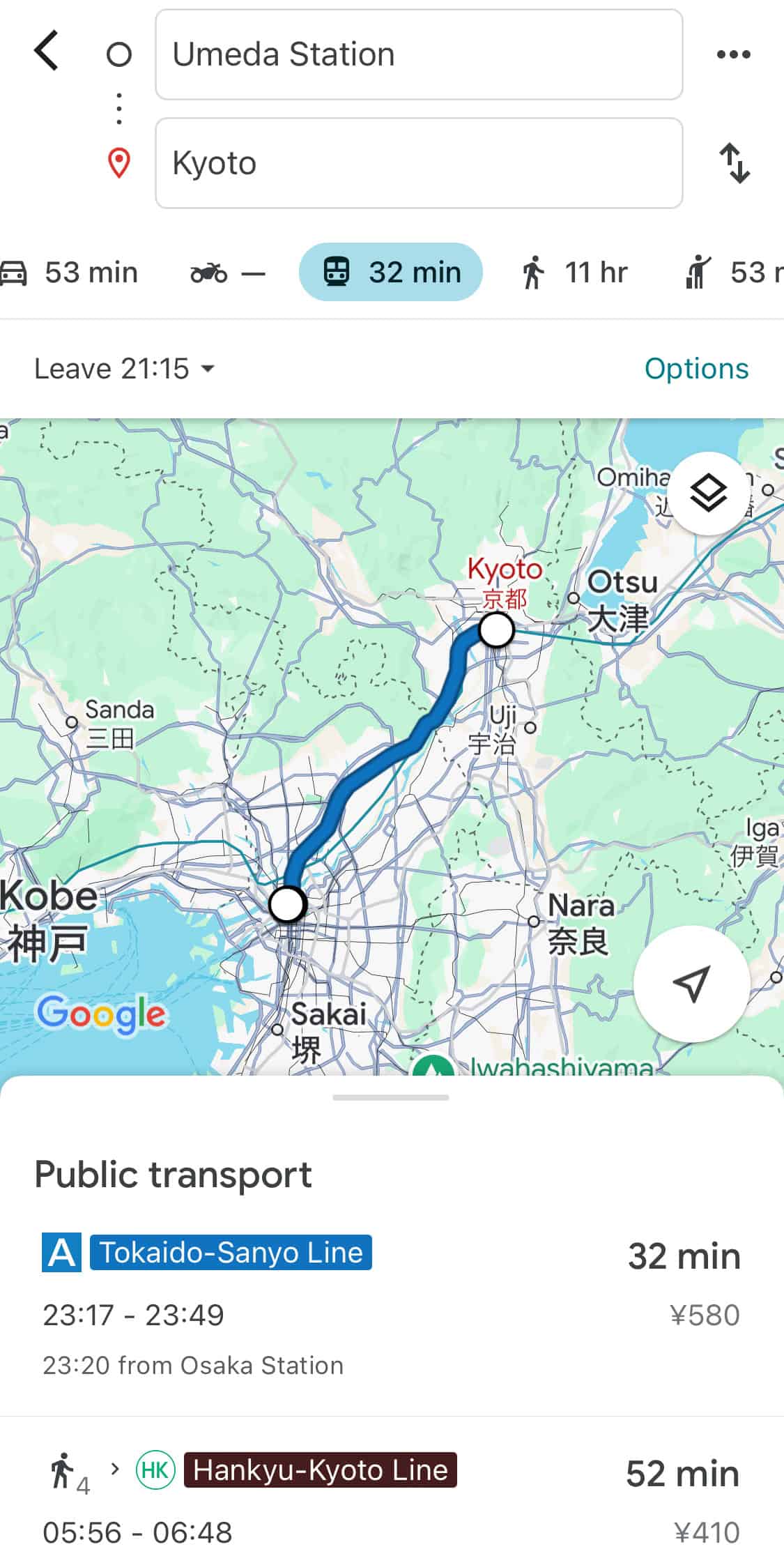
From Osaka, the game will be easier. Travelers can also take trains directly from Osaka to Kyoto, especially from Osaka-Umeda Station to Kyoto-Kawaramachi Station for less than an hour.
4.2. Transportation Within Kyoto
For tourists, the most convenient and cost-effective transportation methods are buses and subways.
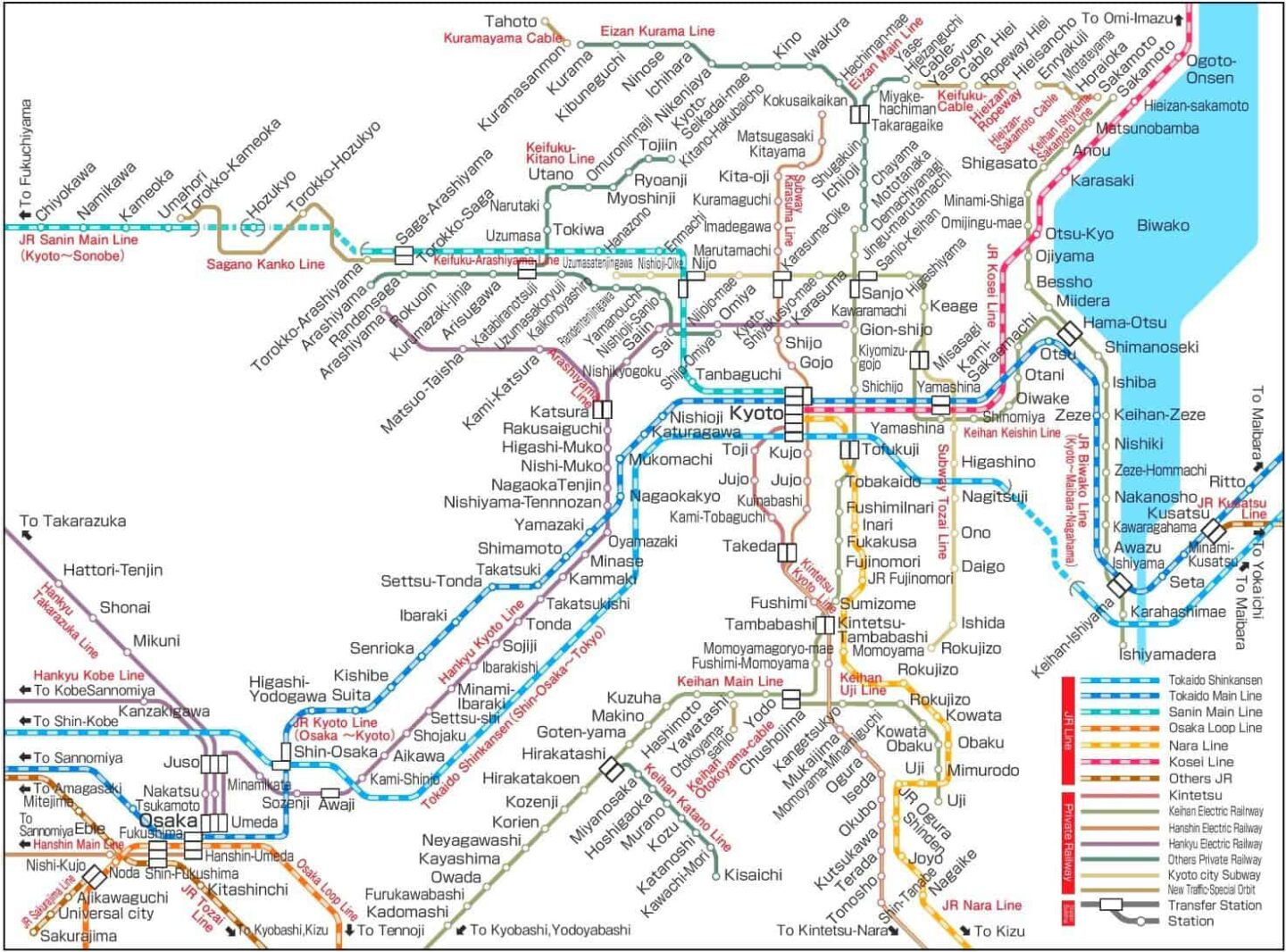
Most major bus routes in Kyoto start and end at Kyoto Station. However, there will be limited services for the eastern area of the city (east of Kamo river) as the preservation of the historic cityscape. As a result, there is no subway that runs through this area (you can see it on Kyoto’s metro map) which means you can only take the bus or taxi.
You can find some tips for transportation when traveling to Kyoto below:
- Google Maps works extremely accurately in Japan and was my main navigation tool throughout the trip.
- Buying an ICOCA card is highly recommended. You simply top up the card and use it for almost all public transportation across Japan.
- Some buses, trains, and taxis in Japan do not allow oversized luggage larger than 160 cm in total dimensions, so be mindful of your baggage size.
5. Accommodation Tips in Kyoto
5.1. Where to Stay in Kyoto
Kyoto is a large city with many different districts, so choosing the right accommodation area can save you a lot of travel time. My recommendation is to stay near Kyoto Station because it is the city’s main transportation hub. The station complex includes train lines, subways, buses, and taxis. Nearly all major bus routes pass through Kyoto Station, and there are many restaurants nearby.
A popular budget-friendly option is staying in Osaka instead of Kyoto. Since Osaka has direct train connections to Kyoto and you can travel less than 1 hour, this can significantly reduce accommodation costs. During my trip, I actually spent half my nights in Osaka because I could not find affordable hotels in Kyoto.
Some Vietnamese students in Japan also recommended staying at internet cafes to save money, although booking them usually requires a Japanese account and some Japanese language ability.
5.2. Hotel Booking Tips
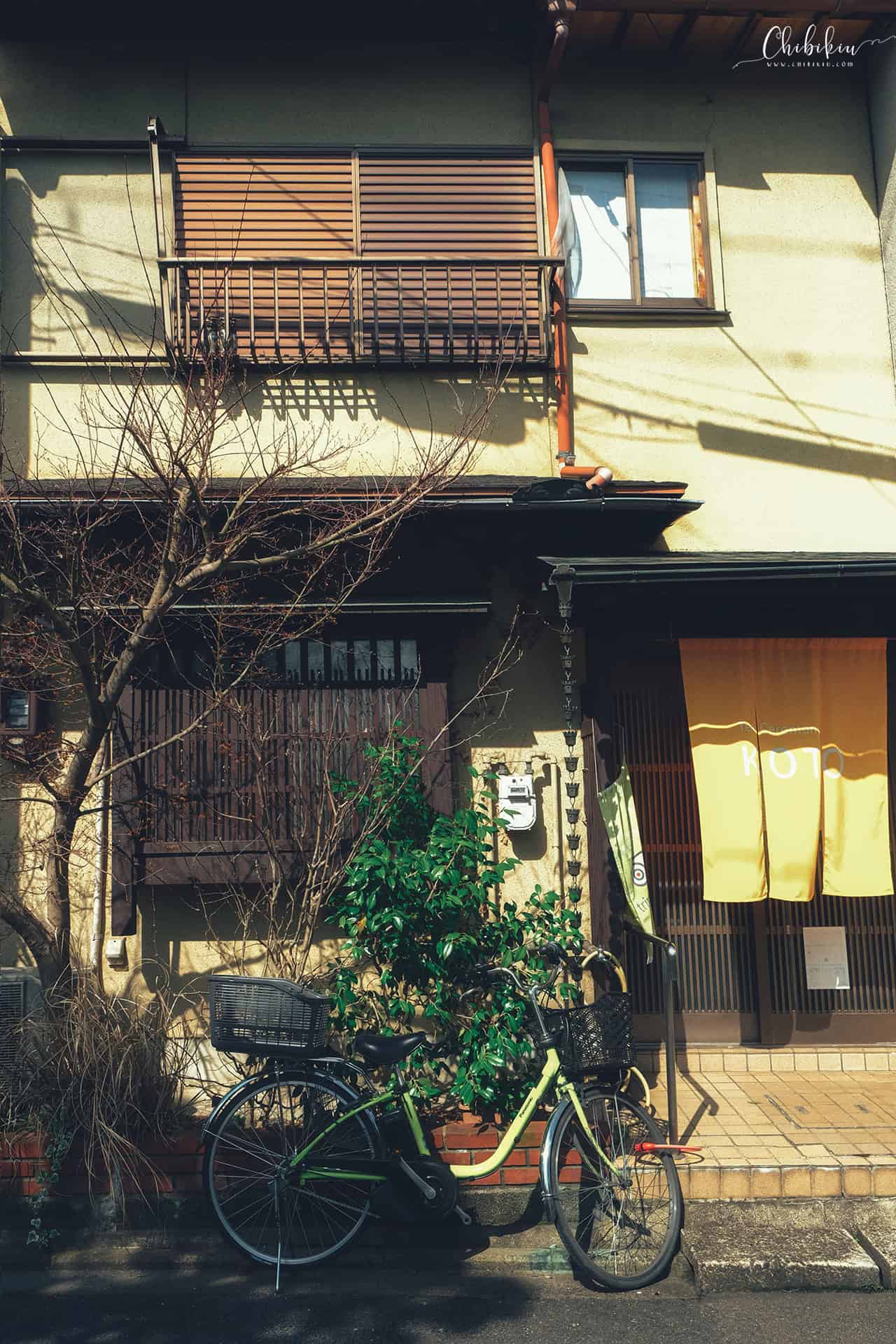
- Hotel rooms in Japan are usually quite small, often around 10 square meters, but they almost always include a bathtub.
- Compare prices between platforms like Booking.com, Agoda, and Trip.com before booking. From my experience, Agoda often offers the best prices for Japan.
6. Kyoto Travel Itinerary
6.1. Planning Your Kyoto Itinerary
Kyoto is much larger than many people expect. At first, I thought one day would be enough to explore the city, but I quickly realized how wrong I was. One day is barely enough to explore just the Gion area.
A typical Japan itinerary lasts around 7–10 days, and I strongly recommend spending at least 3 days in Kyoto. When planning your itinerary, try grouping attractions along the same train or bus routes to save time and reduce unnecessary transportation transfers. I spent a total of 6 days in Kyoto during my 14-day Japan trip, which shows how much I love this city. Even after 6 days, I still felt it wasn’t enough.
6.2. Suggested Kyoto Itinerary
Find the suggested itinerary for Kyoto’s below:
Day 1: Kinkaku-ji – Nijo Castle – Okazaki Shrine – Nanzenji Temple
Day 2: Arashiyama (Bamboo Forest – Tenryu-ji – Otagi Nenbutsuji Temple)
Day 3: Fushimi Inari – Toji Temple – Jikkokubune Canal
Day 4: Gion – Yasaka Shrine
Day 5: Kimono Photoshoot – Kiyomizu-dera
Day 6: Philosopher’s Walk – Takenaka Inari Shrine
6.3. Kyoto Travel Map
For better planning for your Kyoto’s trip, see the interactive map below (I have highlighted tourist attractions, restaurants and stations):
7. Kyoto Travel Costs
7.1. Travel Expenses in Kyoto
Compared to other destinations in Japan, traveling in Kyoto tends to be a bit more expensive. Especially during cherry blossom season, prices can skyrocket. I experienced this firsthand, and honestly, I’m still slightly traumatized by how expensive everything was during peak sakura season.
Aside from accommodation, though, I found most other expenses quite reasonable — especially transportation. I moved around a lot, and while staying in Osaka, I often took the train back and forth to Kyoto. As for food, prices were fairly similar to Vietnam, although I personally chose to eat at popular and highly rated restaurants, so my food expenses were a bit higher. If you go for casual local spots or supermarket meals, it can be much cheaper.
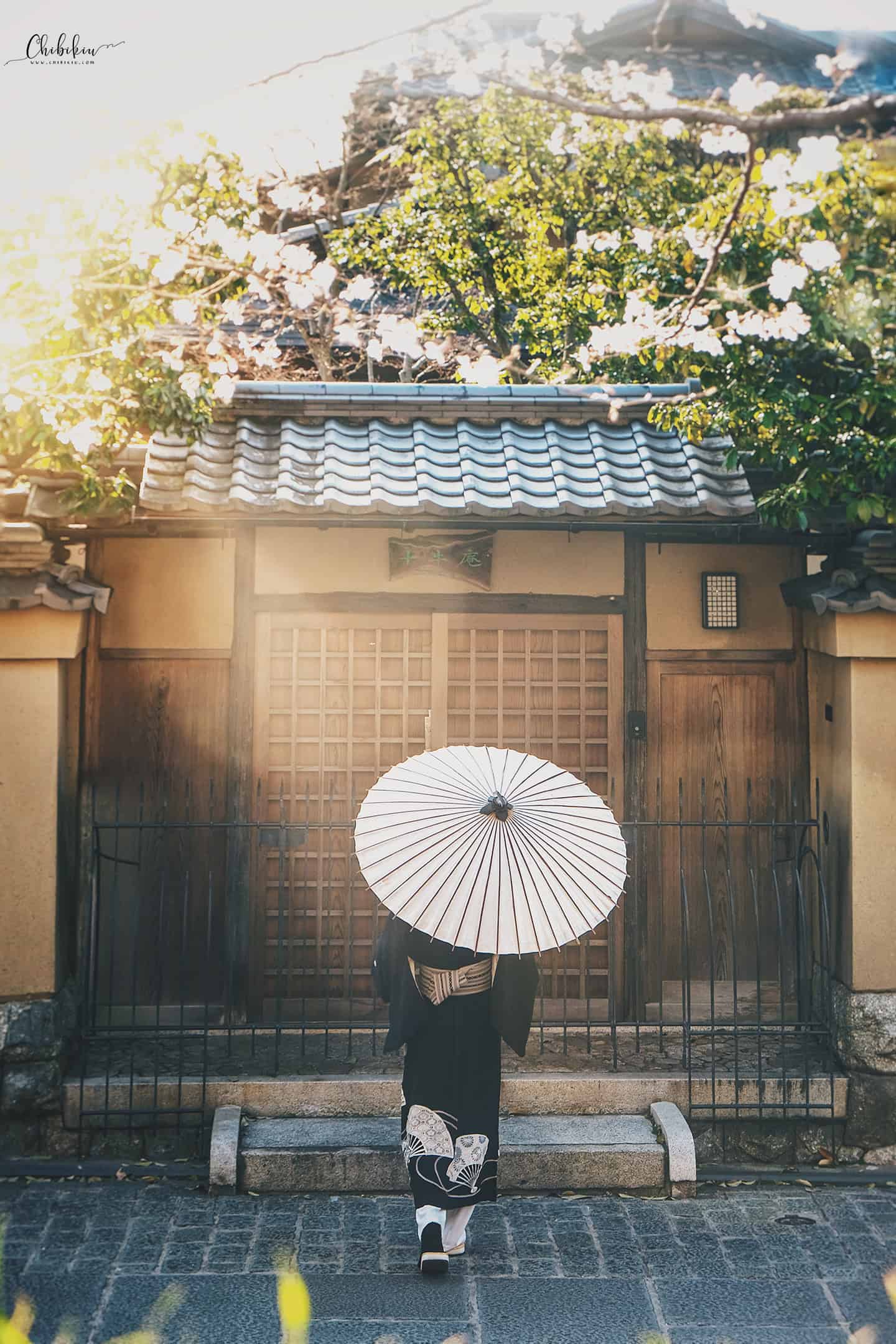
One expense I found surprisingly costly was kimono rental. Even the most basic set I rented already cost around ¥10,000. If you want a more elaborate or luxurious style, prices can easily range from ¥20,000 to ¥40,000. (I actually found one outfit I absolutely loved, but the moment I heard the price, I immediately walked away.)
You can refer to Chibikiu’s Kyoto travel expenses below. Just keep in mind that I visited during peak cherry blossom season, so prices were significantly higher than usual.
| TRANSPORT – 6 days | 15,000¥ | |
| ACCOMMODATION | ||
| 3 Nights – Osaka | 8,200¥ | |
| 2 Nights – Kyoto | 20,000¥ | |
| EATING – 6 Days | 25,000¥ | Average 2,000¥/meal |
| SIGHTSEEING | 8,000¥ | |
| KIMONO RENTAL | 10,000¥ | |
| TOTAL | 86,200¥ | 543,76 USD |
7.2. Money-Saving Tips
- Visit Japan during the low season to save money on flights and hotels.
- Many restaurants in Japan provide free drinking water, helping reduce daily expenses.
- Book hotels with luggage storage services so you do not have to pay expensive locker fees.
8. Final Thoughts: Kyoto Travel Experience
8.1. Japan Travel Tips
– Applying for a Japanese tourist visa can be difficult, even for travelers with strong travel histories and financial backgrounds. Using a visa service agency may increase your chances.
– Foreign tourists in Japan usually can only buy data SIM cards instead of calling SIMs.
– Many Japanese people are not fluent in English, but Japan is still extremely easy to travel thanks to its clear signs and organized transportation systems.
– Japan has very strict garbage disposal and recycling rules, so make sure to sort and throw away trash correctly.
– Convenience stores are everywhere in Japan and offer much more than food and drinks, including photocopying, charging stations, and restroom access.
8.2. Japan Travel Vlog
This concludes the Kyoto journey — a city whose beauty cannot truly be captured through photos or words alone. From peaceful old streets and quiet temples to the magical sight of cherry blossoms in full bloom, Kyoto feels like stepping into a movie.
If you want to experience a more authentic side of Kyoto through the moments we captured during the trip, be sure to watch the vlog below.
8.3. Conclusion
Above is Chibikiu’s Kyoto travel guide and tips. I hope this article helps you better understand Kyoto and inspires you to plan your own unforgettable journey through Japan.
If you need more information, you can also check out other articles in the Japan travel series:
- Tokyo Travel Guide
- Osaka Travel Guide
If you found this article helpful, you can support me in keeping the blog going by clicking the link below:
|
– MUST-USE WEBSITE TO PLAN YOUR NEXT TRIP –
|

